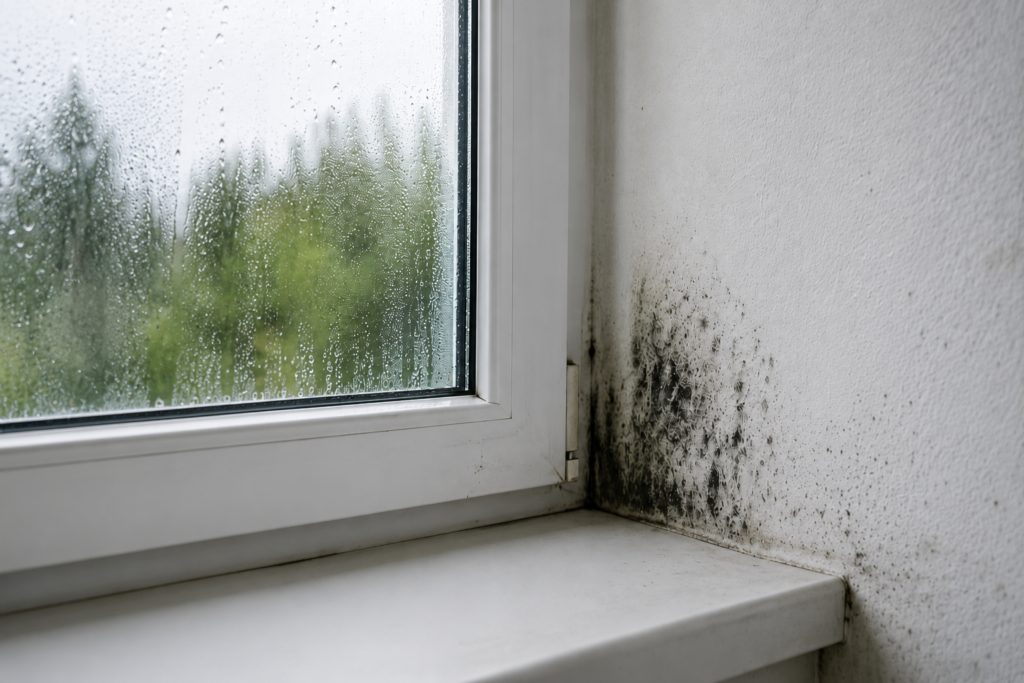
Do you have problems with musty odours, mould, condensation or high humidity? If so, it’s important to choose a dehumidifier that’s suited to the specific room where the problem occurs.
Different parts of the home place different demands on a dehumidifier. A basement requires high capacity and high airflow, whilst a bathroom needs a compact model that quickly deals with the moisture after a shower. For cold spaces such as garages, holiday homes and boats, you need a dehumidifier that works effectively even at low temperatures.
At Wood’s, we’ve developed dehumidifiers for the most common uses in the home, so you can easily find the right model for your needs.
A dehumidifier shouldn’t just remove moisture – it should perform optimally in the environment where it’s used.
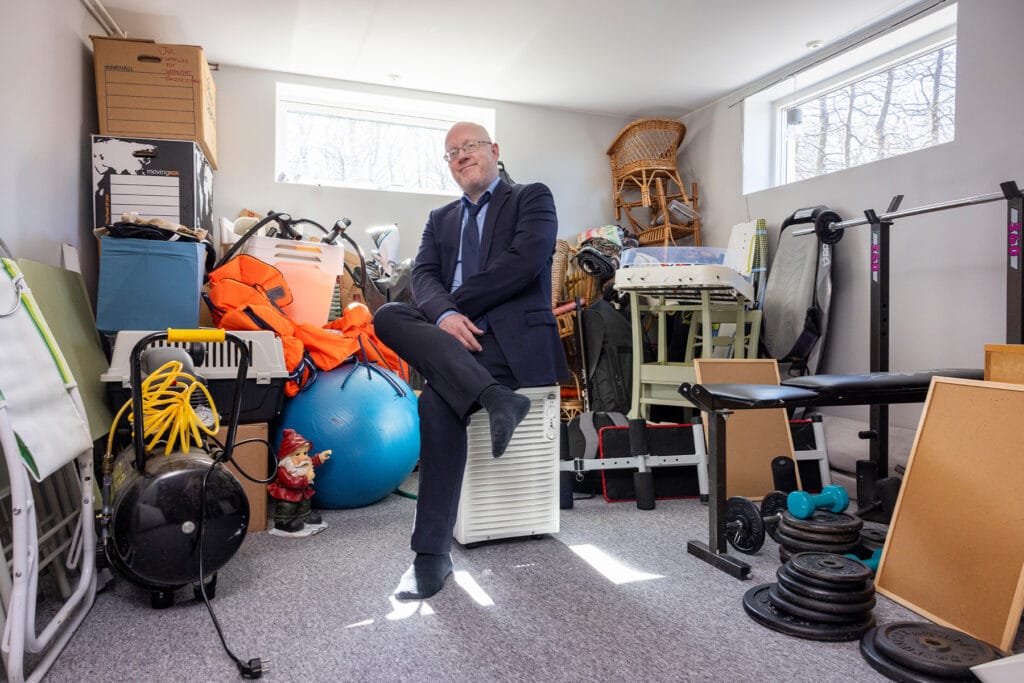
Basements often have high humidity and large open spaces. They require high dehumidification capacity and a powerful airflow to distribute the dry air throughout the space. Read more about dehumidifiers for basements
When laundry is drying, large amounts of moisture are released. A dehumidifier with a high airflow helps to dry clothes more quickly whilst keeping humidity levels down. Read more about dehumidifiers for the laundry room
After a shower or bath, humidity levels rise rapidly. A dehumidifier helps to reduce condensation, mould and unpleasant odours. Read more about dehumidifiers for bathrooms
Crawl spaces require high capacity and continuous operation to reduce the risk of mould, rot and damp damage. Read more about dehumidifiers for crawl spaces
In heated homes, a dehumidifier helps to create a more comfortable indoor climate and reduce the risk of condensation and unpleasant odours. Hybrid models can also purify the air of dust and pollen. Read more about dehumidifiers for living areas
At low temperatures, you need a dehumidifier that continues to work effectively even when standard condensation dehumidifiers lose capacity. Read more about dehumidifiers for cold spaces
When the relative humidity remains above around 70% for a prolonged period, the risk of mould, unpleasant odours and other damp-related problems increases.
By keeping humidity at a stable level, you can protect both your home and the indoor environment.
When water vapour is removed from the air, heat energy is released. At the same time, dry air is often perceived as more comfortable than damp air, which may mean you don’t need to heat your home as much.
The recommended relative humidity indoors is usually between 50%. With a hygrometer, you can easily check the humidity and see when it’s time to dehumidify.
Yes. Musty odours are often caused by high humidity. As the humidity decreases, the odour usually improves as well.
Black mould is a type of mould that thrives in damp environments where the humidity is high for long periods of time. It often occurs in basements, bathrooms, laundry rooms or other areas where ventilation is limited and moisture cannot escape.
The optimal indoor humidity level is usually between 45–55%. Within this range, your skin, mucous membranes, airways, plants and furniture will thrive, while the risk of mould is minimised.
Yes. Many dehumidifiers are designed for continuous operation and start automatically when the humidity becomes too high.
Wood’s SW series is designed to remove damp from basement. They are available in various capacities; the higher the capacity, the quicker you’ll get rid of damp problems.
A crawl space requires a dehumidifier with high capacity, high airflow and good performance at low temperatures. Wood’s DSC50FM and DSC95P have been specially developed for these conditions.
It depends on where you have the damp problem. A basement requires a different type of dehumidifier to a bathroom or a crawl space. Wood’s has developed various models for different applications so that you can easily find the right solution.
Common signs include a musty smell, condensation on windows, mould, damp walls or laundry that takes a long time to dry. A dehumidifier helps to maintain humidity at a healthy level and reduces the risk of damp damage.
A dehumidifier removes excess moisture from the air. This contributes to a drier and more comfortable indoor climate, whilst reducing the risk of mould, condensation and unpleasant odours.