
Living in a big city can have many advantages, but it also means higher exposure to air pollution than in many smaller towns. Urban air often contains higher levels of pollutants such as particulate matter (especially PM2.5), nitrogen oxides and other exhaust gases from traffic, heating and industry. Particulate matter in the air is one of the air pollutants that causes the most health problems in urban areas, contributing to both short-term symptoms such as respiratory irritation and long-term risks such as heart and lung disease.
The particles that attract the most attention are PM10 (inhalable particles) and PM2.5 (fine particles that can penetrate deep into the lungs). According to the Swedish Environmental Protection Agency, these are the particles that pose the greatest health risks in urban environments.

In urban environments, it is easy to think that the air inside is cleaner than the air outside, but this is not true. Outdoor particles from traffic, smog and industrial pollution enter the home through ventilation, windows and doors. In addition, common indoor sources such as cooking, gas stoves and cleaning products contribute further particles and chemicals.
Do you live near a busy road, inner-city street or major route? Then you are exposed to particulate matter such as PM10 and PM2.5 on a daily basis, even indoors.
In big cities, the highest levels of particulate matter are mainly caused by road traffic. It is not only exhaust gases, but also wear and tear from road surfaces, tires and brakes. During winter and spring, studded tyres also contribute to increased levels of PM10. Although many vehicles are now powered by electricity, there are still many internal combustion engines that contribute to PM2.5 levels and other significant sources in urban areas are wood burning in domestic gardens and stoves.
These particles enter the home through clothing, ventilation, windows and doors and stay there. They are so small that they are difficult to clean up and, in the worst case, can travel deep into our lungs.

Air pollution affects almost every organ in the body, but above all:
Research shows that air purifiers with HEPA filters can significantly reduce indoor particulate matter, which can improve air quality and reduce exposure to the most dangerous substances.
An air purifier with a HEPA filter is designed to capture very small particles, including PM2.5 and PM10. As the air circulates through the filter, the particles get trapped in the filter instead of continuing to circulate in the room.
This means you can reduce the amount of traffic-related particles, construction dust and other air pollutants in your home. It is particularly important to clean the air in your bedroom and living room where you spend many hours each day.
Want to know which air purifier is right for your home? Read our guide on how to choose the right air purifier.
Here it is important to understand the difference between particles and gases. A HEPA filter removes particles, but it does not filter out gases or odor molecules. If you want to reduce odors from traffic, cigarette smoke or cooking, the air purifier also needs to have an activated carbon filter.
A carbon filter works by binding gas molecules in the porous carbon as the air passes through. The combination of HEPA filter and carbon filter allows the air purifier to reduce both particles (such as PM2.5 and pollen) and certain gases from traffic exhaust, for example.
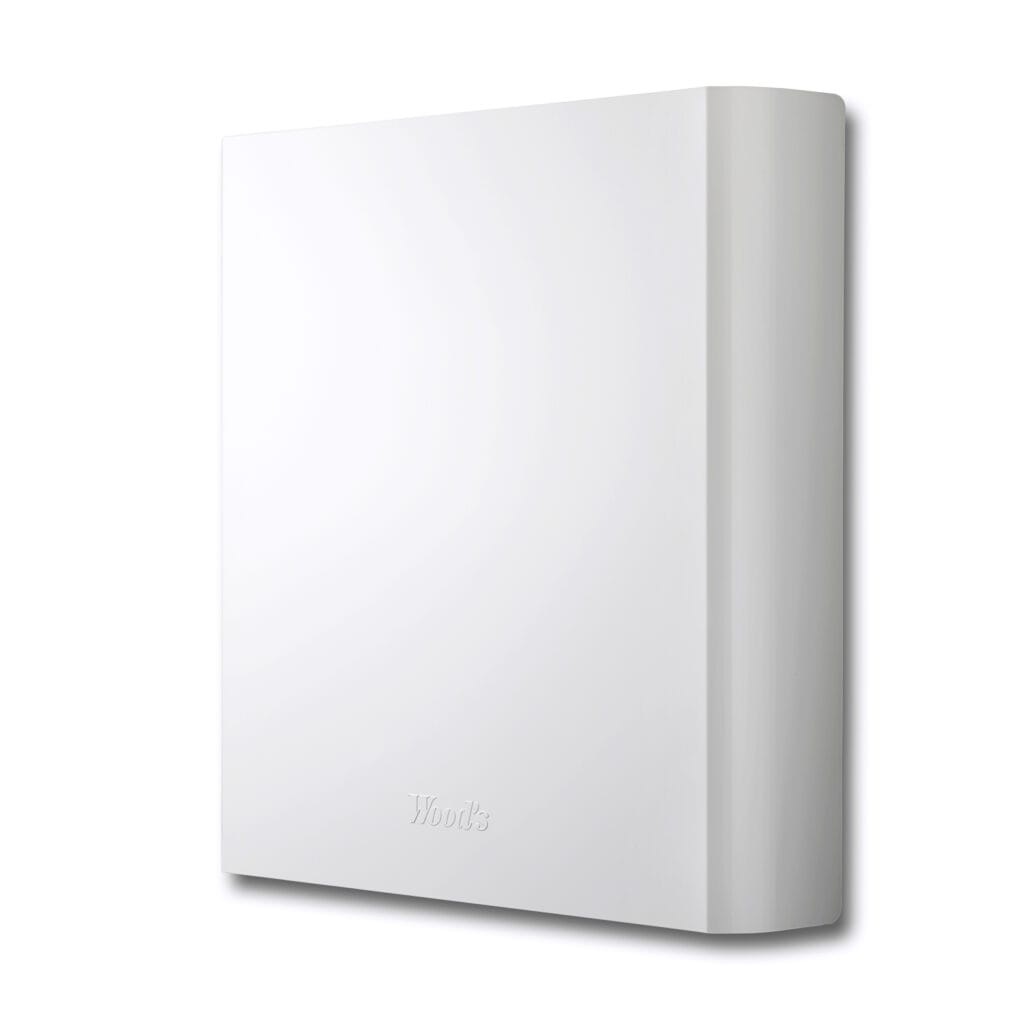
Air purifier for bedrooms and smaller rooms
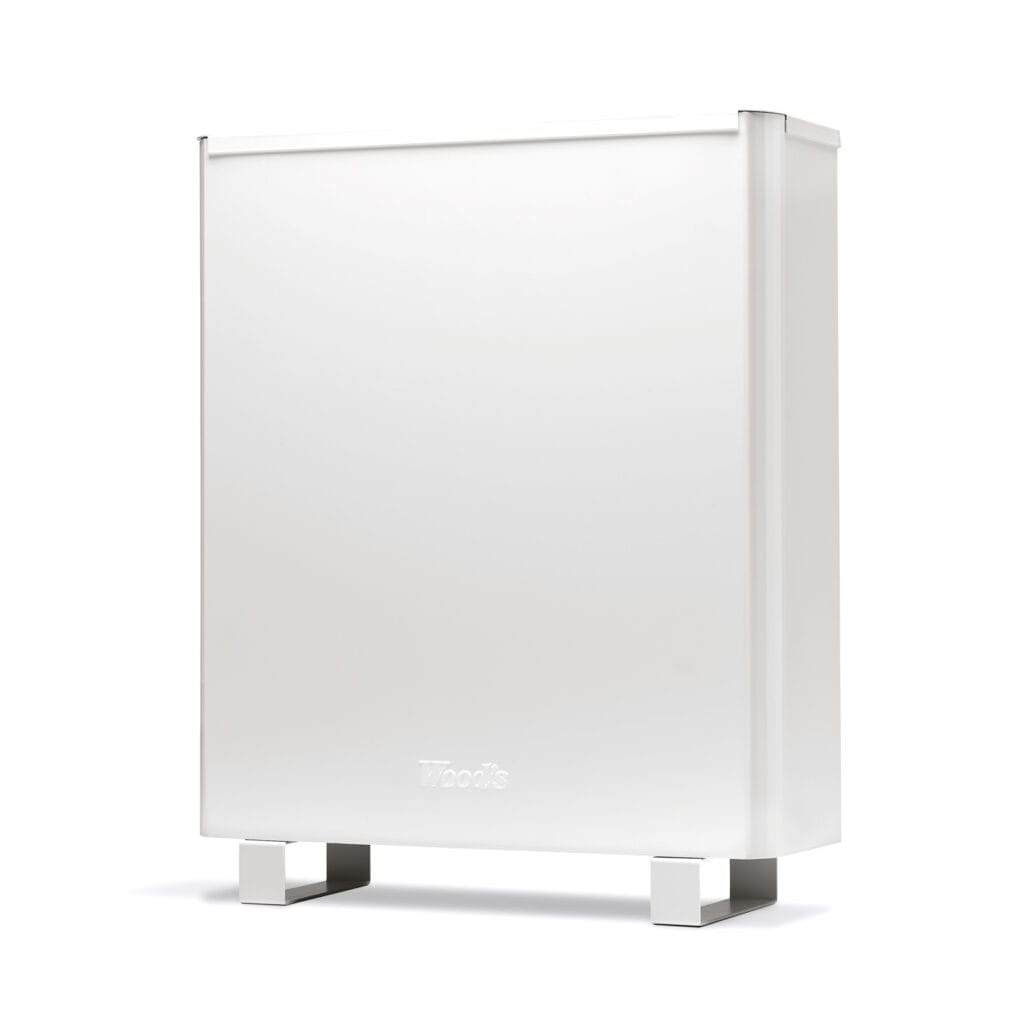
Air purifier for offices, bedrooms and living rooms
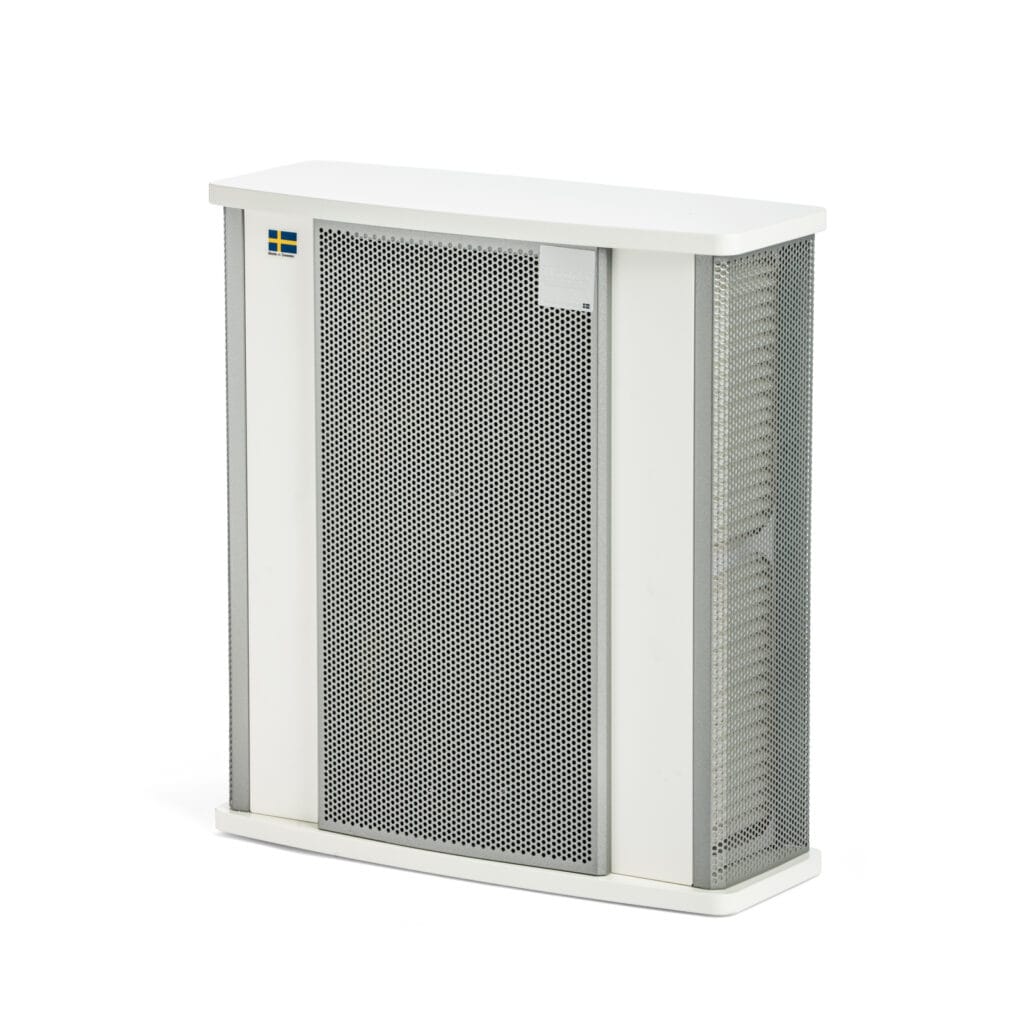
Air purifier for offices and larges rooms.
Air purifier for offices, bedrooms and living rooms
Living in a big city often means higher levels of air pollution from traffic, industry and other sources. These particles can enter your home and affect your and your family’s health. An effective air purifier with a HEPA filter can reduce the amount of dangerous particles indoors, resulting in cleaner air and better health and well-being.
Yes, models with HEPA filters can capture particles spread from car exhaust and smog, improving indoor air quality.
Yes, PM2.5 particles are so small that they can penetrate deep into the lungs and even into the bloodstream, making them particularly harmful.
Air quality in cities is affected by traffic, heating and industry. Levels of fine particulate matter (PM2.5) can be periodically elevated and long-term exposure is linked to health risks, especially for children, the elderly and people with heart or lung disease.
Yes, they can. Exhaust fumes and particles can enter through ventilation, windows and doors. Even if you live high up, pollutants can be carried by air currents and affect indoor air quality.
What it does. An air purifier with a HEPA filter is designed to capture very small particles, including PM2.5. It significantly reduces the amount of harmful particles in indoor air.
Usually not. Outdoor pollutants easily make their way inside, and indoor sources such as cooking and dust can contribute further. With proper ventilation and filtration from an air purifier, indoor air quality improves significantly.
It is important to choose a model with a HEPA filter, high capacity, high airflow and high CADR. There are air purifiers adapted for different spaces. In smaller rooms, one model is often enough for bedrooms and living rooms, while open-plan spaces require higher capacities.
The most effective place to place the air purifier is in the room where most outdoor air comes in or where you spend the most time. It is important to keep in mind that the air purifier should not be placed near the exhaust of the ventilation system and should be free to allow air to circulate freely.
HEPA filters capture particles, but for odors and gases, carbon filters are also required. In urban environments, a combination of HEPA filters and activated carbon can be beneficial.
In environments with high particle loads, filters may need to be changed more frequently, typically every 6-12 months depending on usage and air quality.
Yes, modern air purifiers are designed for continuous operation and are energy efficient. Many models can be used around the clock to maintain consistent air quality.
High levels of particles and poor ventilation can contribute to respiratory irritation and general fatigue. Many people experience improved comfort when air quality improves.
It depends on the size and layout of the home. In open floor plans, one powerful model may be enough, while larger homes sometimes require several units.