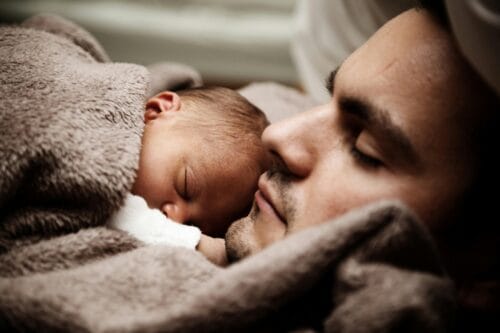
As a parent, you want to create a safe and healthy home environment. But many people don’t realize that indoor air in the home can be more polluted than the air outside. Dust, pollen, mold spores, chemicals and other harmful particles can affect your child’s health, especially since children are more sensitive than adults.
Symptoms such as nasal congestion, coughing, tiredness or disturbed sleep can sometimes be signs of poor indoor air quality. Buy an air purifier
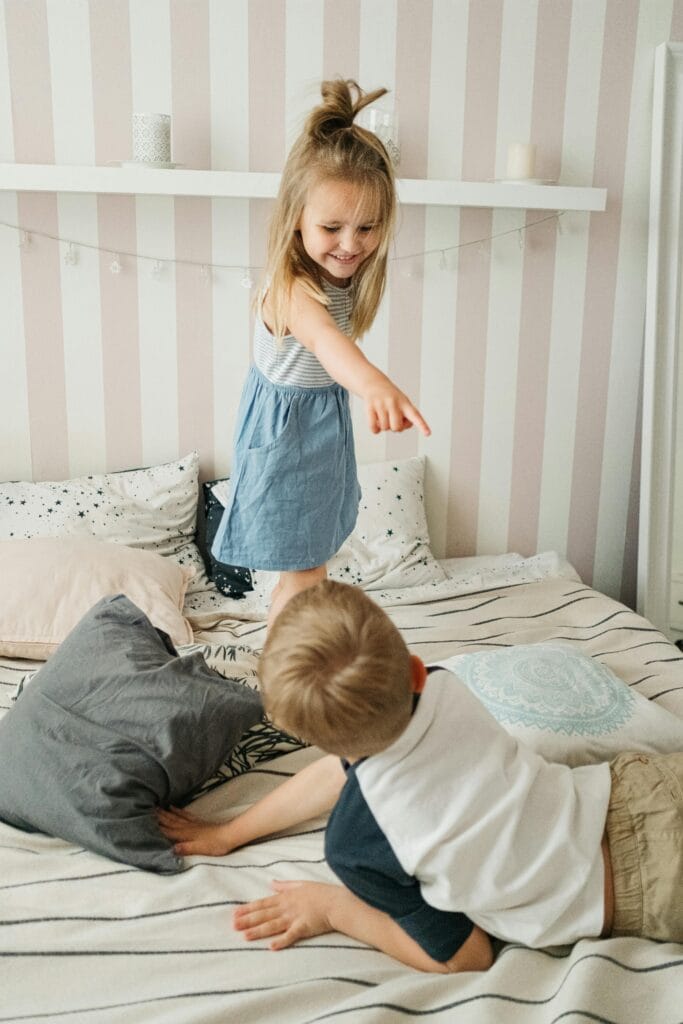
Children breathe more air per kilogram of body weight than adults, which means they are more exposed to airborne particles. Their airways and lungs are still developing and can be more easily affected by pollution. Poor indoor air quality can lead to:
Common signs of bad air in the home can be:
If several family members are experiencing problems, it may be a sign that air quality needs to be improved.


“Wood’s AL 310 combines high purification capacity, low energy consumption and quiet operation – at a very competitive price.”
– Villalivet, May 2025
All our air purifiers are safe to use around the clock. They are energy efficient, quiet and powerful. Choose the model that best suits your space and needs. Wood’s TALL 155 is a convenient solution for smaller rooms like children’s rooms and bedrooms. Wood’s AL 310 is ideal for bedrooms and living rooms where you want efficient and quiet air purification, and for larger spaces, open floor plans or apartments, the Gran 900 is a powerful, high capacity option.
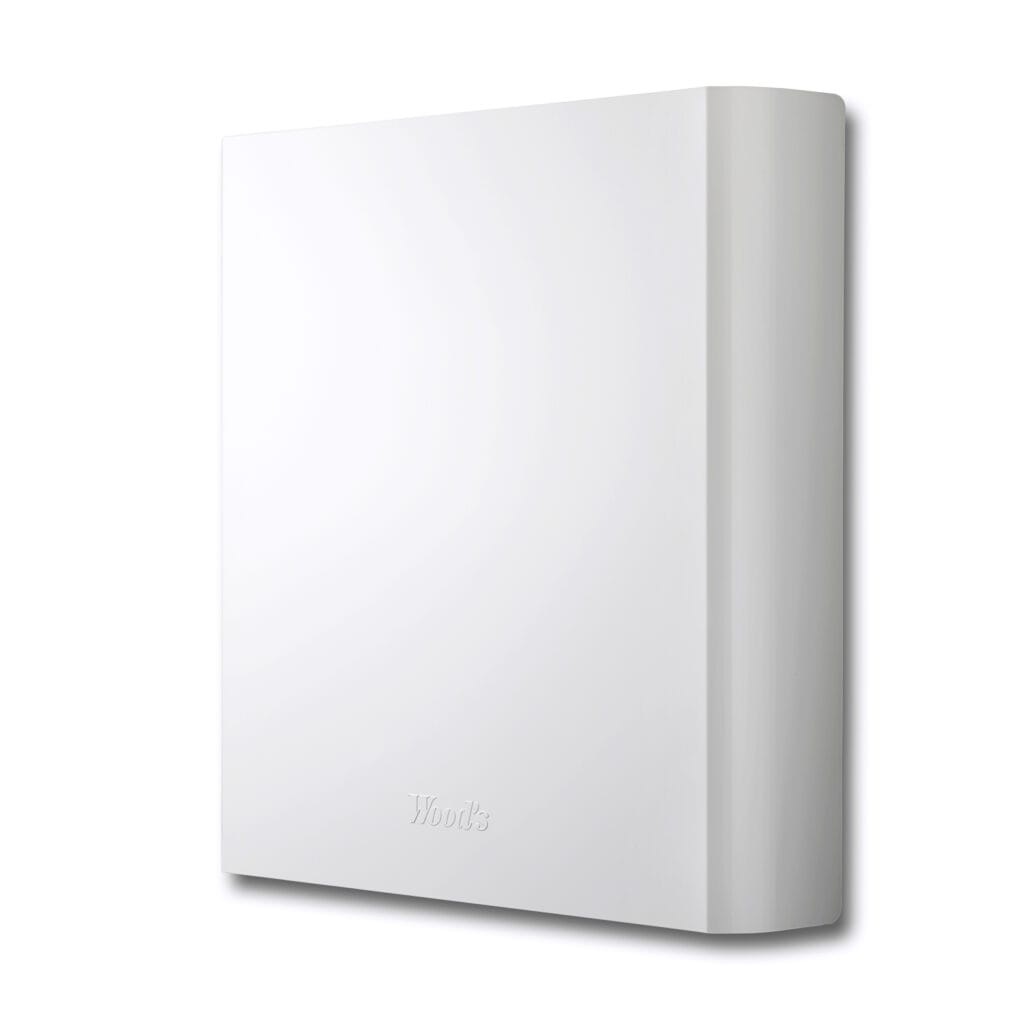
Air purifier for bedrooms and smaller rooms
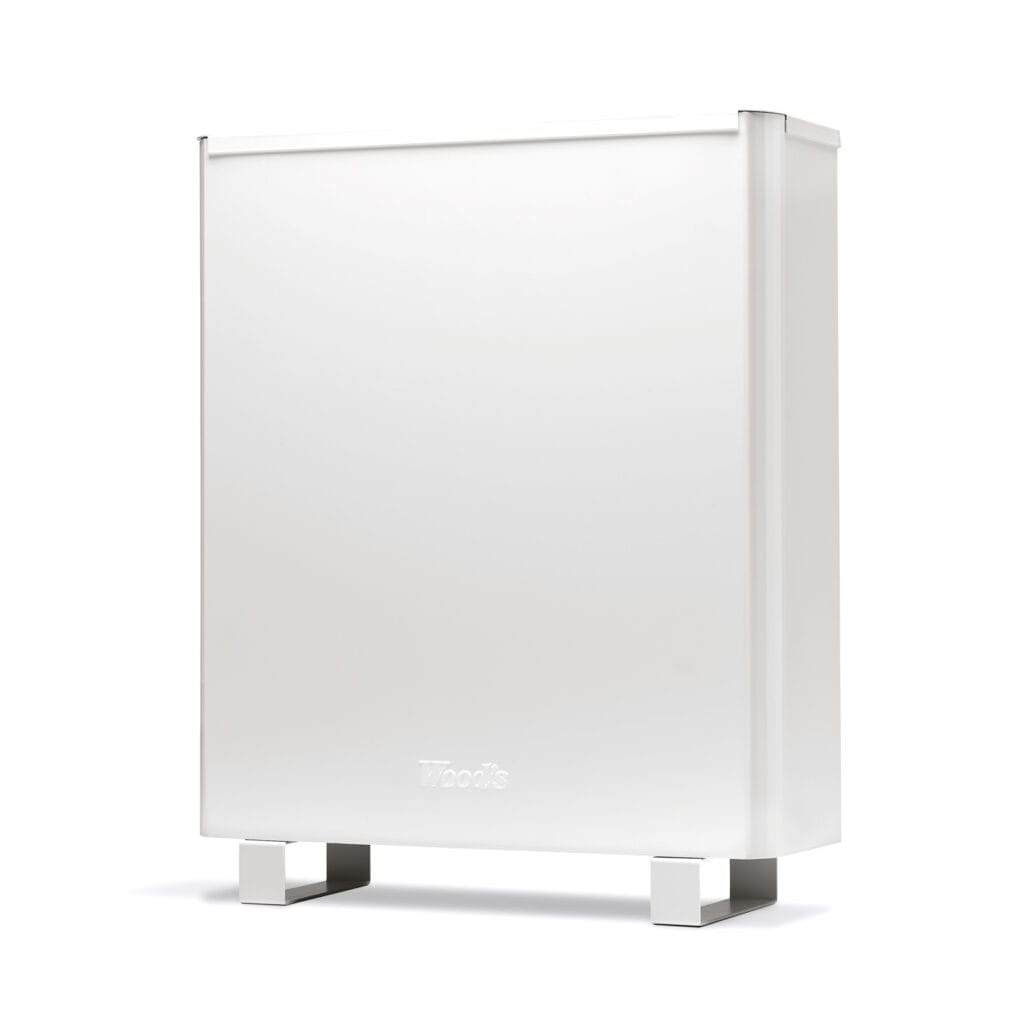
Air purifier for offices, bedrooms and living rooms
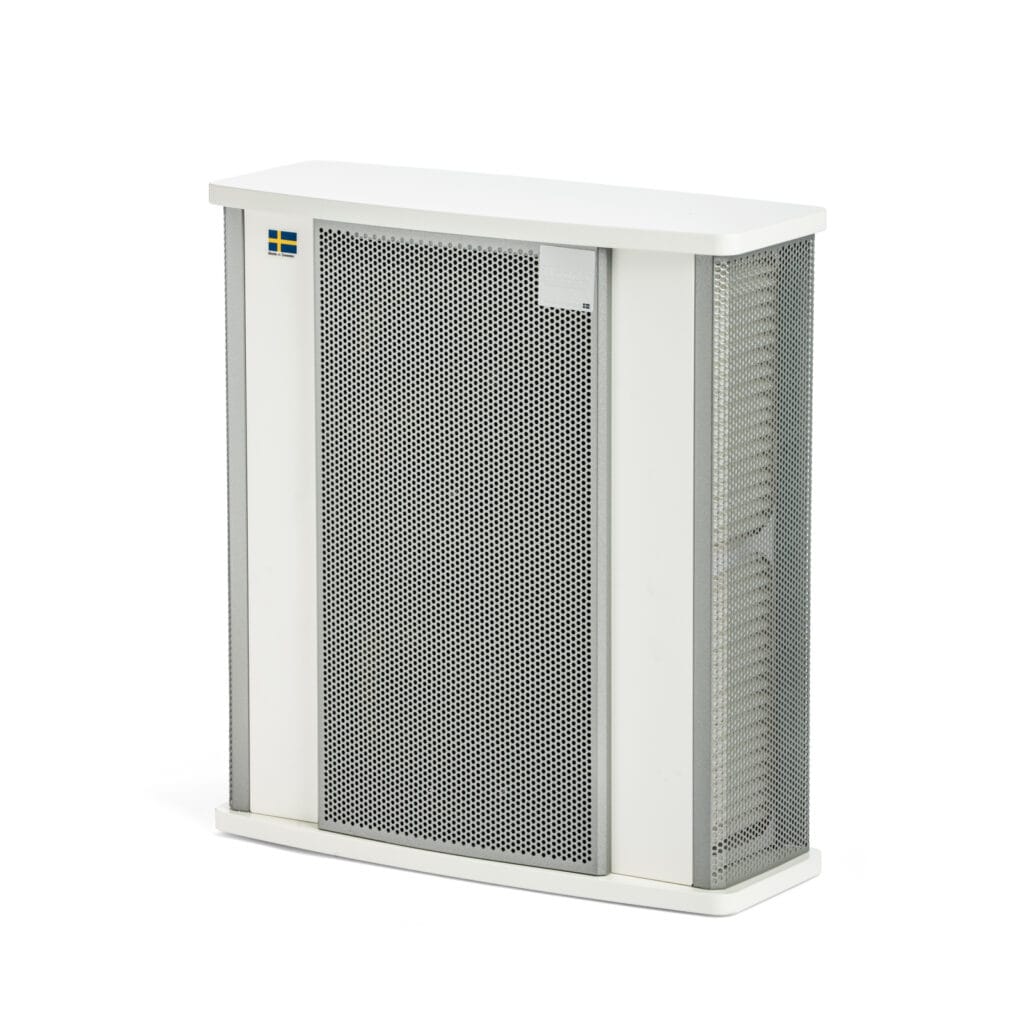
Air purifier for offices and larges rooms.
Air purifier for offices, bedrooms and living rooms
Improving indoor air quality is an important part of creating a safe home environment. Regular cleaning, proper ventilation and an effective air purifier can reduce the amount of harmful particles in your home.
Whether you need a discreet solution for children’s rooms or a powerful model for larger spaces, there is an air purifier to suit your home. Choose the air purifier that best suits you and your needs.
Yes, as long as the air purifier removes the particles using HEPA filters and does not produce harmful levels of ozone.
Signs of poor indoor air quality may include frequent nasal congestion in the morning, coughing indoors or eye irritation. Stale odors, a lot of dust, or recurring allergy symptoms may also indicate that the air quality needs to be improved.
Yes, they do. Children breathe more air per kilogram of body weight and their lungs are still developing. This means they may be more sensitive to airborne particles such as dust, pollen, mold spores and chemicals.
An air purifier with a HEPA filter can effectively reduce the amount of airborne particles such as dust, pollen and allergens in a child’s room. It can help improve sleep and reduce exposure to harmful particles, especially during pollen season or in homes with furry animals.
It is important to choose an air purifier that does not produce harmful levels of ozone. Ozone at elevated levels can irritate the airways, especially in children and people with asthma. For families with children, air purifiers with mechanical filtration, such as HEPA filters, are recommended rather than ozone-generating technology.
It depends on the size and needs of the room. For smaller children’s rooms, a quiet and compact model may be suitable, while larger homes may require a more powerful model with higher capacity (CADR). The most important thing is to choose an air purifier that is correctly sized for the room.
An air purifier can reduce the amount of airborne particles such as pollen and dust, which can help reduce exposure to certain allergens. It is not a substitute for medical treatment, but it is a good complement to improve the indoor environment and reduce symptoms.