
You enter a home where there is a cat or dog. After a few minutes, your eyes start to itch. Your nose gets stuffy and you feel your body reacting. For people with a fur allergy, this is a situation that many will recognize.
But the problems don’t always stop there. Many allergy sufferers find that symptoms can continue even when the animal is not in the same room – and sometimes even in homes where there are no animals at all.
The explanation is that cat and dog allergens are microscopic particles that spread in the air and get trapped in textiles, furniture and dust. Once in a home, they can continue to circulate in the air for a long time. This means that even if you clean often, the air you breathe can still contain allergens. Buy an air purifier
What many people don’t know is that the allergy is not caused by the fur itself. Instead, it is triggered by small proteins found in the animals’ skin flakes, saliva and urine.
These allergens are very light and can spread throughout the home. They are easily trapped in textiles and swirl up again when you move around the room. Common places where allergens accumulate include
Because the particles are so small, they can also remain suspended in the air for a long time. That’s why many allergy sufferers find that their symptoms are often worst in the bedroom or living room, where they spend the most time.
The symptoms of fur allergy can range from mild discomfort to more severe reactions. It is common for the eyes to become itchy and red, the nose to feel stuffy or runny and for sneezing to occur. Many people also experience coughing or respiratory irritation, and in some cases the allergy can exacerbate asthma symptoms or cause a feeling of pressure in the chest.
For some people, symptoms appear immediately when they encounter an animal. For others, symptoms may only appear after spending some time in a room where allergens are already present in the air.
As animal allergens are spread through the air, it is not always enough to simply clean the home. To truly reduce exposure, the air in the home also needs to be cleaned of particles.
An air purifier works by drawing in air from the room, filtering out particles and then releasing cleaner air back in. Models with HEPA filters are designed to trap very small particles, including the allergens that cause cat and dog allergies. As the air passes through the filter, the allergens become trapped in the filter material instead of continuing to circulate in the room.
This means that the amount of allergens in indoor air can gradually decrease. For people with fur allergies, this can contribute to a more comfortable indoor environment, where the air contains fewer particles that trigger symptoms.
Many people experience the biggest difference when the air purifier is placed in the bedroom. Since you spend many hours there every night, cleaner air during sleep can make a big difference to how you feel the next day.
Find out more about how an air purifier works in our air purifier guide.
Every home is different, so it’s important to choose an air purifier that fits the size and use of the room. Smaller rooms, such as bedrooms or children’s rooms, can often get by with a compact and quiet model, while larger living rooms or open-plan spaces may require a more powerful air purifier with a higher capacity.
Choosing a model that is correctly sized for the room allows the air to circulate efficiently through the filter and thus be purified faster.
Find out more about our air purifiers and which model is best for you.
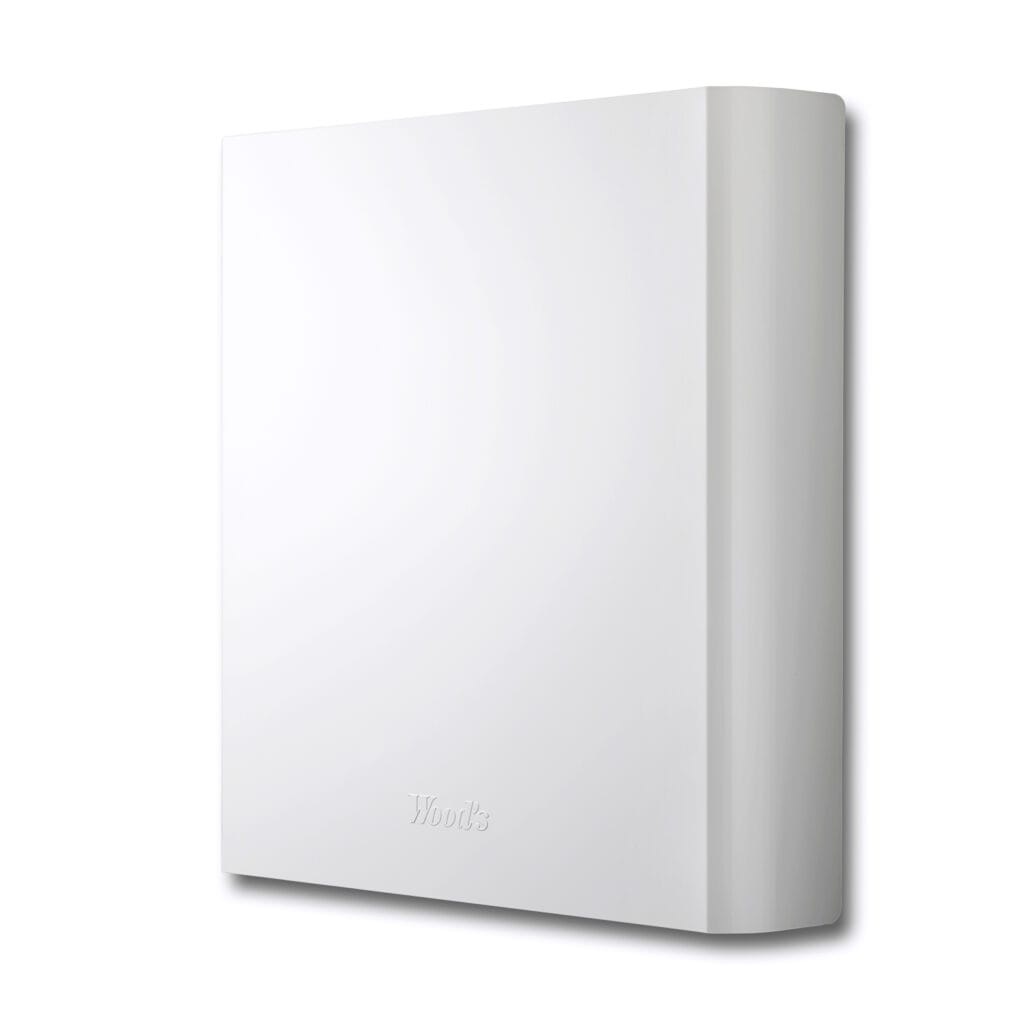
Air purifier for bedrooms and smaller rooms
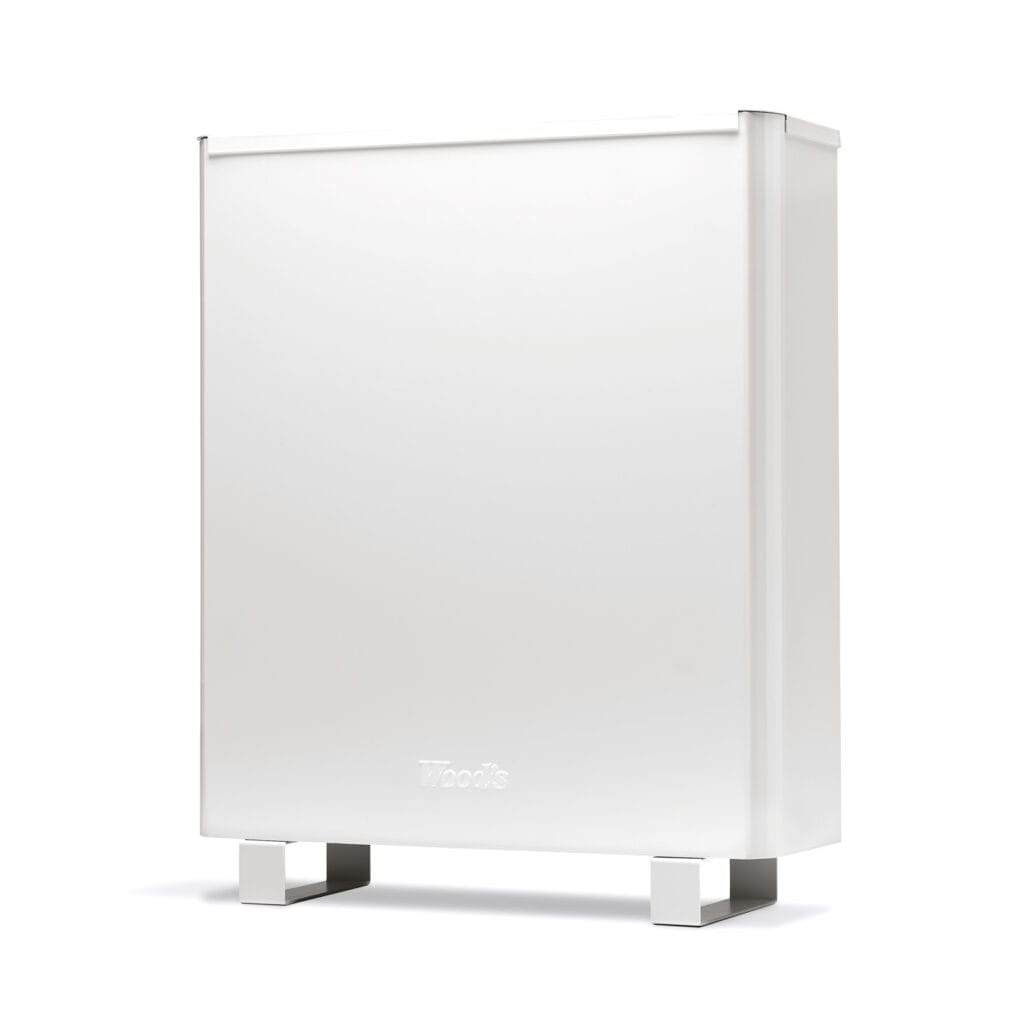
Air purifier for offices, bedrooms and living rooms
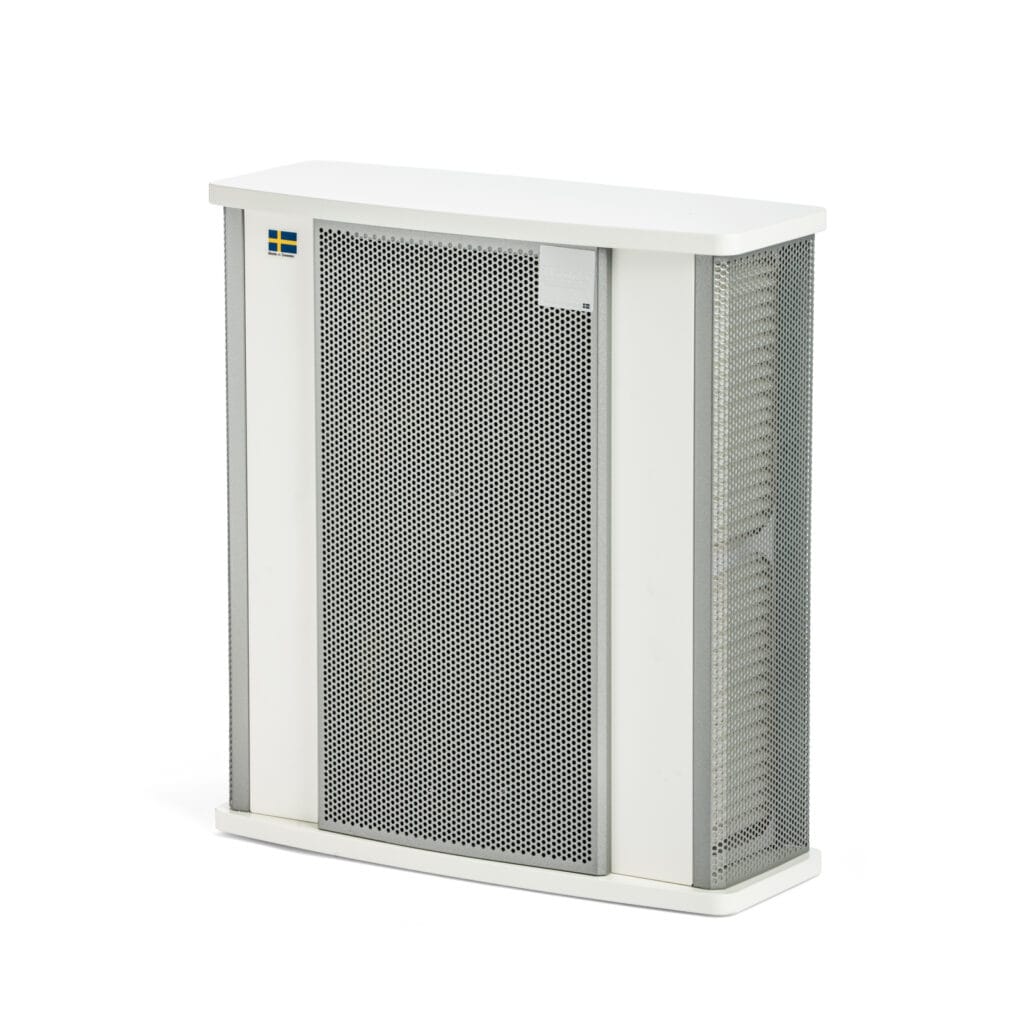
Air purifier for offices and larges rooms.
Air purifier for offices, bedrooms and living rooms
An air purifier works best when combined with other simple home routines. Regular vacuuming, for best results use a vacuum cleaner with a HEPA filter. It is also good to wet wipe surfaces instead of dry dusting, as dry dusting easily stirs up particles in the air.
Washing bedding and blankets frequently can also make a big difference, especially in the bedroom where you spend many hours each night. In addition, if there are animals in the home, it may be a good idea to limit their access to the bedroom.
When these practices are combined with an effective air purifier, the amount of allergens in the home can be significantly reduced.
Furry animal allergies are caused by microscopic allergens that spread through the air and get trapped in the home. Therefore, regular cleaning is often not enough to reduce the symptoms.
By combining good cleaning, smart practices and an efficient air purifier, you can reduce the amount of allergens in the air and create a more comfortable indoor environment.
The most common symptoms are runny or stuffy nose, sneezing, itchy and red eyes, and coughing or irritation of the airways. In some people, the allergy can also worsen asthma symptoms.
Cat and dog allergens can remain in the home for months. They get trapped in dust, furniture and textiles and can continue to circulate in the air even after the animal is no longer present.
Yes, an air purifier with a HEPA filter can trap small allergens from cats and thus reduce the amount of particles in indoor air.
Yes, because allergens from dogs are also small airborne particles that can get stuck in the filter and thus reduce in the air.
Bedrooms and living rooms are often the best places to be because they are used for many hours each day.
Usually, filter replacement is recommended every 6-12 months, but in homes with a lot of fur and allergens, it may need to be done more often.
Cat and dog allergens can remain in the home for months after the animal is no longer present. They stick to textiles, furniture and dust and can continue to circulate in the air as you move around the room.
Some people experience minor discomfort from certain breeds of dogs, but there are really no completely allergy-free dogs. All dogs produce allergens in their skin, saliva and urine.
Regular cleaning can reduce the amount of allergens in the home, but as allergens are also present in the air, cleaning alone is often not enough. The combination of cleaning and air purification is more effective.
An air purifier with a HEPA filter can capture very small particles, including allergens from cats and dogs. This helps reduce the amount of allergens circulating in indoor air and reduces symptoms.