
Pollen allergy can make spring and summer a stressful time, with symptoms such as runny nose, itchy eyes, fatigue and sleep problems. Many people think the symptoms go away when they go indoors – but pollen is carried by clothing, hair, pets and ventilation and can circulate in the home for a long time.
For those who want to reduce pollen indoors, an air purifier with a HEPA filter can be an effective solution. Here we look at how air purifiers work for pollen allergies, what to look out for and which model is best. To Wood’s air purifier
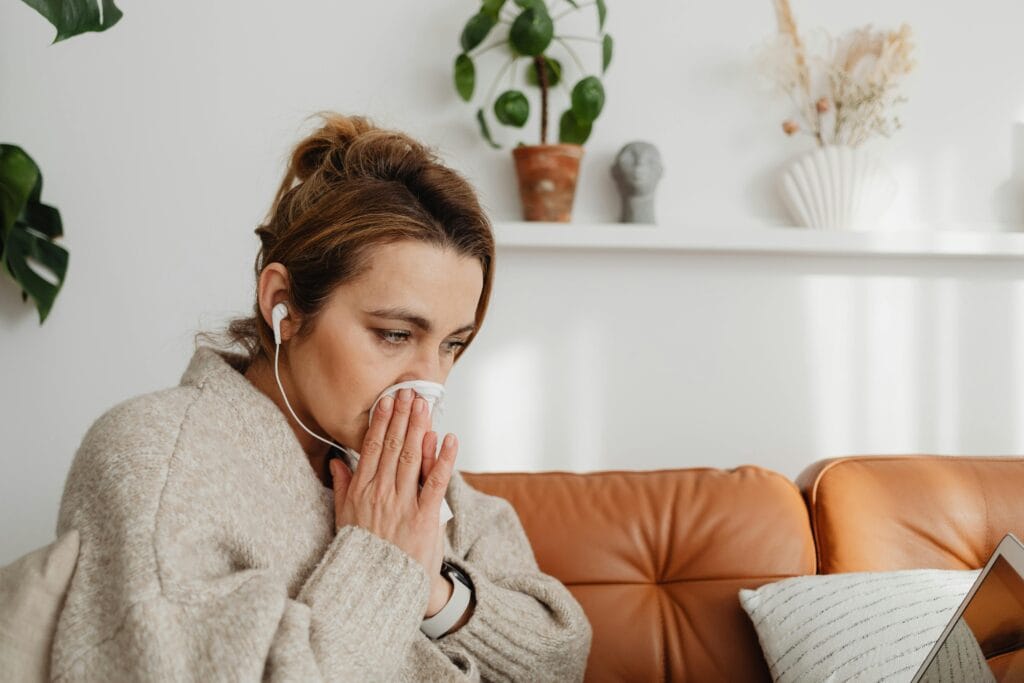
Yes, an air purifier with a HEPA filter can effectively capture pollen particles in indoor air and reduce overall exposure. Unlike allergy medications that relieve symptoms, an air purifier removes the pollen particles from the air. This means you get to breathe clean air free of pollen and your body gets a chance to recover and symptoms are reduced.
It can help:
For best results, the air purifier should be properly sized, placed in a room where you spend most of the day and used continuously during the pollen season. The most important place to put an air purifier is in the bedroom. It will help you avoid nasal congestion and get a better night’s sleep, while allowing your body to recover by breathing clean, pollen-free air during the night, which will help delay the allergic reaction the next day.
If you are allergic to pollen, we recommend choosing an air purifier with these characteristics:
Ionized HEPA filter traps microscopic pollen particles effectively.
For the air purifier to be effective, it needs to cope with the volume of the room and it needs to turn the air several times per hour.
Especially important if it is to be placed in the bedroom.
It is important that the air purifier has a high airflow so that the air in the whole space is purified and not just the air around the machine.
We have models to suit everything from small bedrooms to large open spaces like living rooms or open plan offices. Choose the model that best suits your needs.
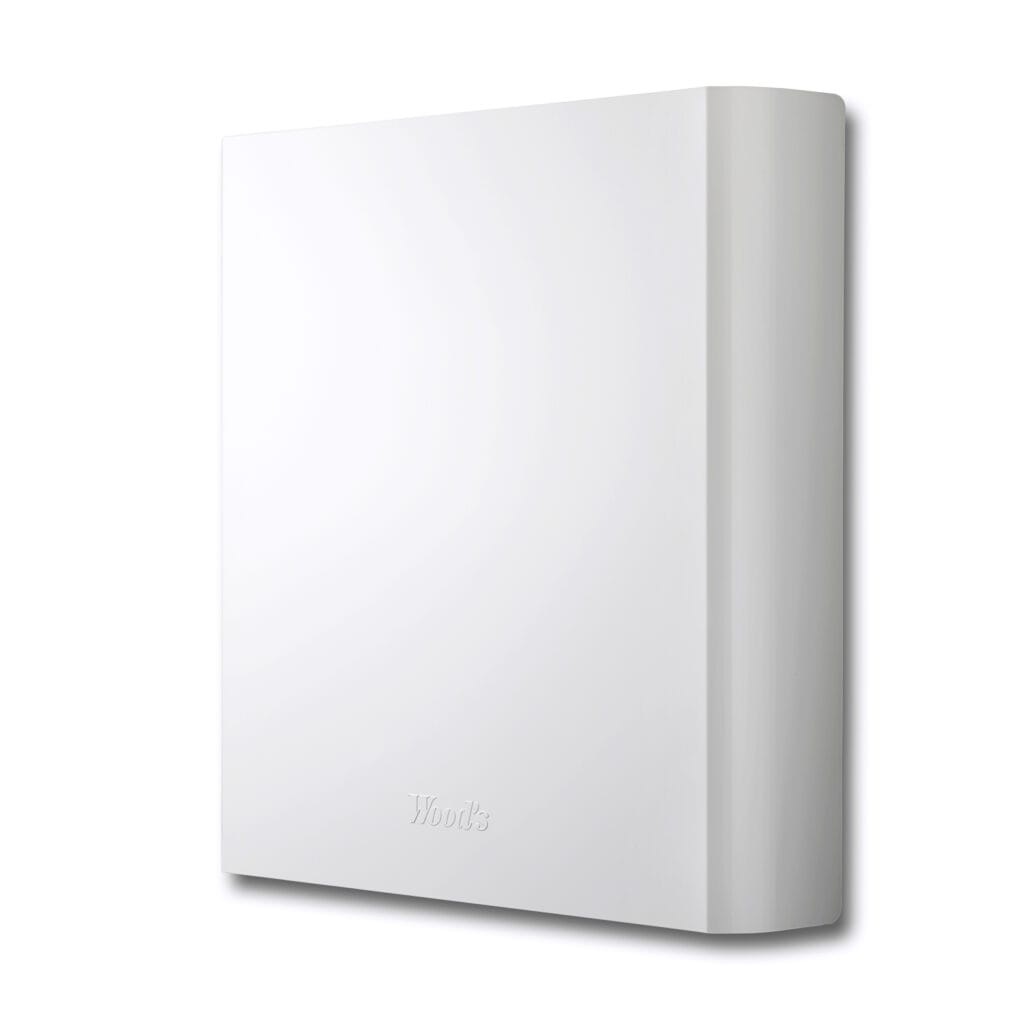
Air purifier for bedrooms and smaller rooms
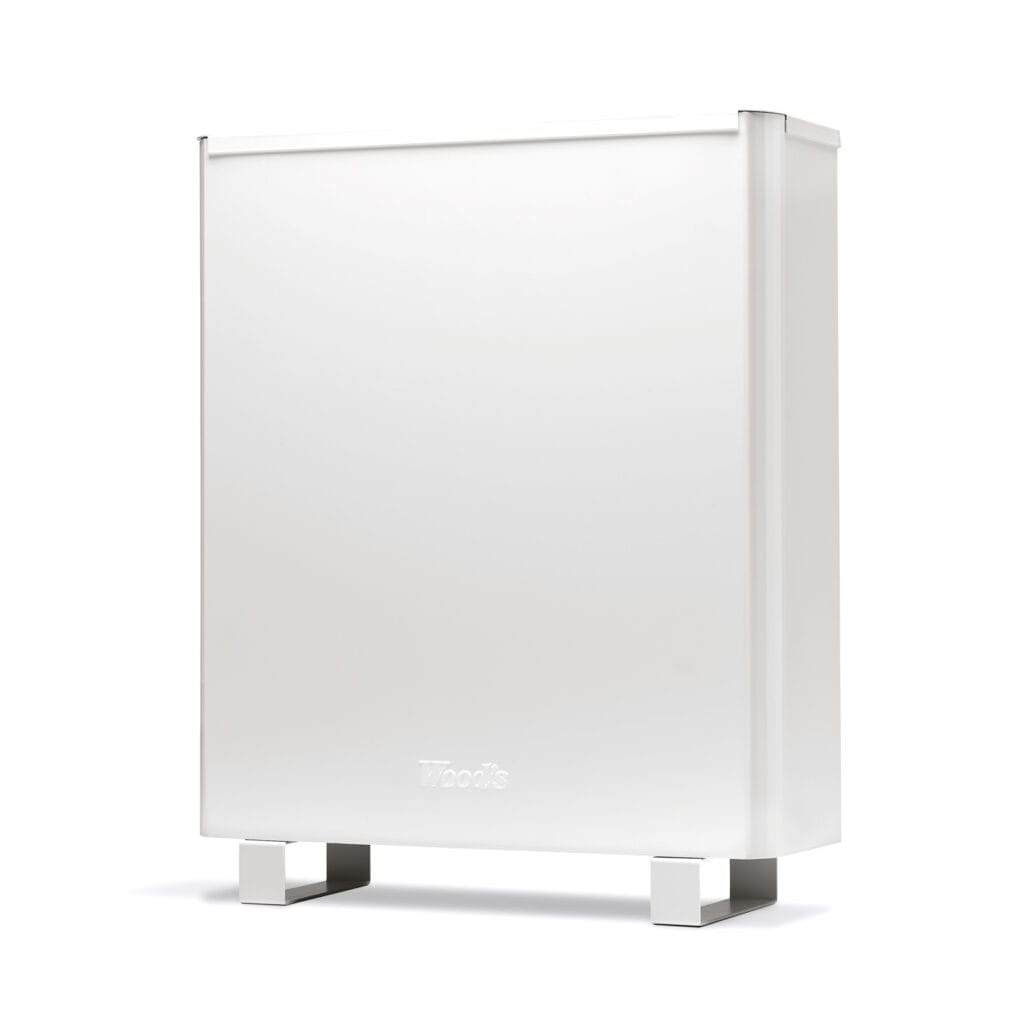
Air purifier for offices, bedrooms and living rooms
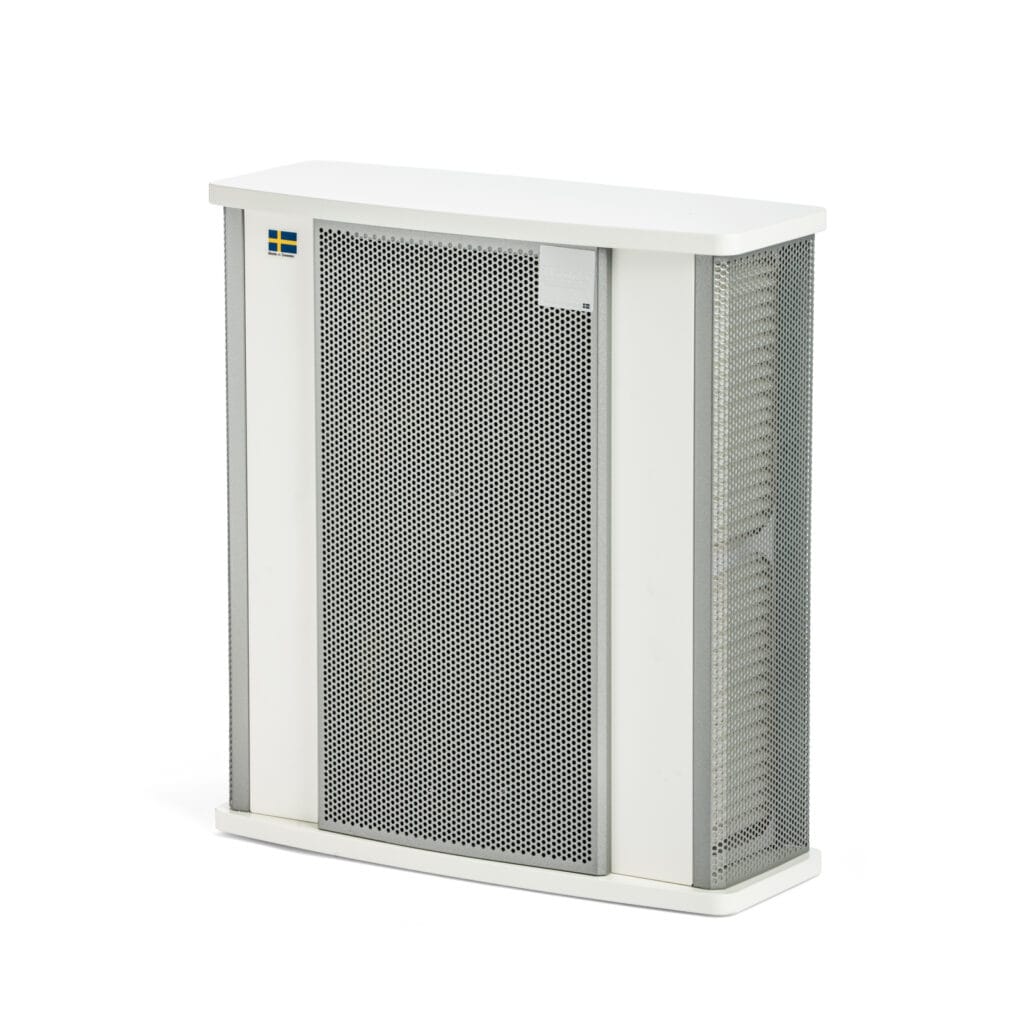
Air purifier for offices and larges rooms.
Air purifier for offices, bedrooms and living rooms

When it comes to choosing the best air purifier, performance, quality and energy efficiency are crucial. Our model has won best in test 2024 and 2025, thanks to its:
Read more about why Wood’s AL 310 was named Best Air Purifier 2025
When choosing an air purifier, one of the most important factors to look at is the CADR (Clean Air Delivery Rate). The CADR measures how quickly an air purifier can clean the air of particles such as pollen, dust and smoke, and is expressed in cubic meters per hour (m³/h).
The higher the CADR, the faster and more efficiently the air in the room is purified. An air purifier with a high CADR can quickly circulate and filter all the air in the room, instead of just purifying the air near the unit. This is particularly important for allergy sufferers and asthmatics, but also for improving indoor air quality in homes and workplaces in general.
Wood’s air purifiers are designed to provide an optimal balance between high CADR and low energy consumption, making them both efficient and cost-effective. By choosing a model with the right capacity for your room, you ensure that the air is kept clean and free of harmful particles around the clock.
A common mistake is to choose too small a model with low airflow. For best performance, the air purifier should be able to circulate the air in the room several times per hour. A 20 m² bedroom with 2.4 m high ceilings corresponds to about 48 m³ of air – the air purifier should be able to handle at least 100-200 m³/h for effective pollen reduction.
The best air purifier for pollen allergy is a model with a HEPA filter, the right capacity for the room and low noise level for continuous operation. For many allergy sufferers, the bedroom is the most important place to prioritize, as cleaner air during the night allows the body to recover.
By reducing pollen indoors, you can alleviate symptoms and create a more comfortable indoor climate throughout the pollen season. For more tips read: 10 tips to minimize pollen discomfort
The best air purifier for pollen allergy is a model with a true HEPA filter (at least HEPA 13) and sufficient capacity for the size of the room. It should be able to turn the air several times per hour to effectively reduce pollen levels.
The air purifier should be adapted to the volume of the room. A 20 m² bedroom often requires a capacity of at least 100-200 m³/h to have a noticeable effect during the pollen season.
Place the air purifier in the room where you spend most time, often the bedroom. Avoid placing it behind furniture, under ventilation outlets or in corners where airflow is blocked.
No air purifier can eliminate 100% of pollen, but a model with an ionized HEPA filter can significantly reduce pollen levels in indoor air.
Many people experience improved air quality and reduced symptoms within a few days, especially if the air purifier is used continuously in the bedroom.
Ventilation exchanges air, while an air purifier filters out particles. They work best together – especially during periods of high pollen counts.
For many allergy sufferers, an air purifier can make a big difference by reducing exposure to indoor pollen particles. This improves sleep quality and reduces symptoms.
To sleep better during the pollen season, place an air purifier in the bedroom, keep windows closed during high pollen counts, shower before bedtime and wash bedding regularly.
Most modern air purifiers are energy efficient and can run around the clock with relatively low electricity consumption, often comparable to a small household appliance.