During the pollen season, many people experience symptoms such as runny nose, itchy eyes and fatigue. But did you know that a large part of pollen problems continue indoors? With the right measures, you can reduce the amount of pollen in your home and alleviate the symptoms of pollen allergy.

Pollen sticks easily to clothes, shoes and textiles.
Change immediately when you get home and avoid bringing outerwear into the bedroom or living room.
Tips:
This is a simple but very effective method to reduce pollen indoors.
An air purifier with a HEPA filter is one of the most effective ways to reduce pollen levels in a room. Since you spend 6-8 hours a night in the bedroom, this is the most important place to prioritize. Wood’s AL 310 has been named the best air purifier of 2025 partly because it has a high CADR value, which measures how many pollen particles the air purifier removes per hour.
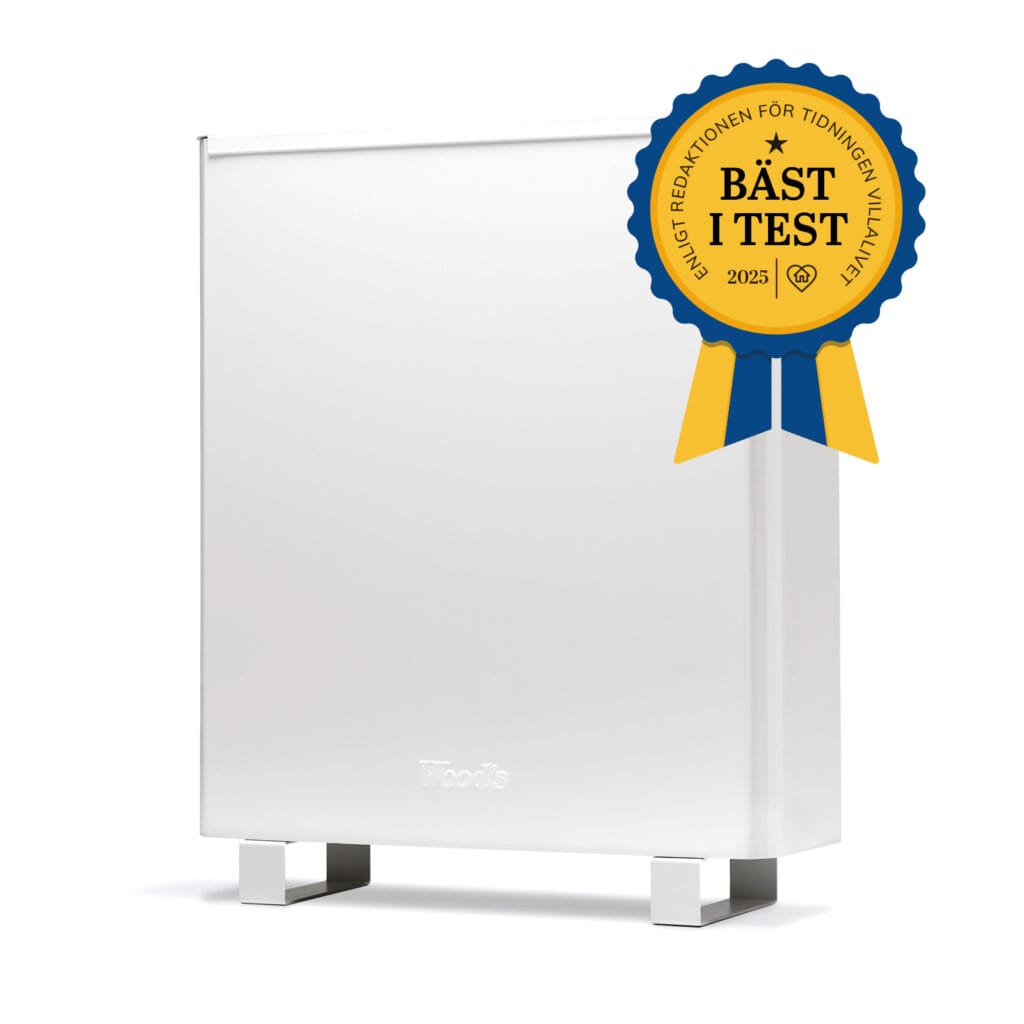
The best pollen air purifier is a model with a HEPA filter, high capacity and is quiet. To effectively reduce pollen levels, the air purifier should be able to turn the air several times per hour.
When choosing anti-pollen air purifiers, you should check:
For many allergy sufferers, the bedroom is the most important place to prioritize, as cleaner air at night can significantly reduce symptoms.
Read more about Best Air Purifier 2025
Pollen sticks to hair and skin. Showering before going to bed reduces the amount of pollen in your bed, which can make a big difference to your sleep at night. The most important room to keep as pollen-free as possible is the bedroom, where most people spend the most time. Reducing the number of pollen particles in the bedroom will help you sleep better at night.
This is particularly important if you spend a lot of time outdoors during the day.
Ventilation is great, but during pollen season you should be strategic. To avoid bringing in more pollen particles, it’s important to ventilate when pollen levels are at their lowest.
Best time to ventilate:
Avoid ventilating in the middle of the day when pollen levels are highest, especially in hot and dry weather. If you want to cool your home without letting in pollen, a portable AC can be an alternative.
Since you spend 6-8 hours a night in the bedroom, it is the most important place to prioritize during pollen season. Pollen easily sticks to textiles, so wash bedding more often and avoid airing it outdoors. To further reduce pollen levels, an air purifier with a HEPA filter is particularly effective in the bedroom. Breathing cleaner air at night gives the body a better chance to recover, which can help alleviate symptoms and reduce the severity of symptoms the next day. A pollen-reduced bedroom is therefore one of the most important measures to alleviate pollen allergy.
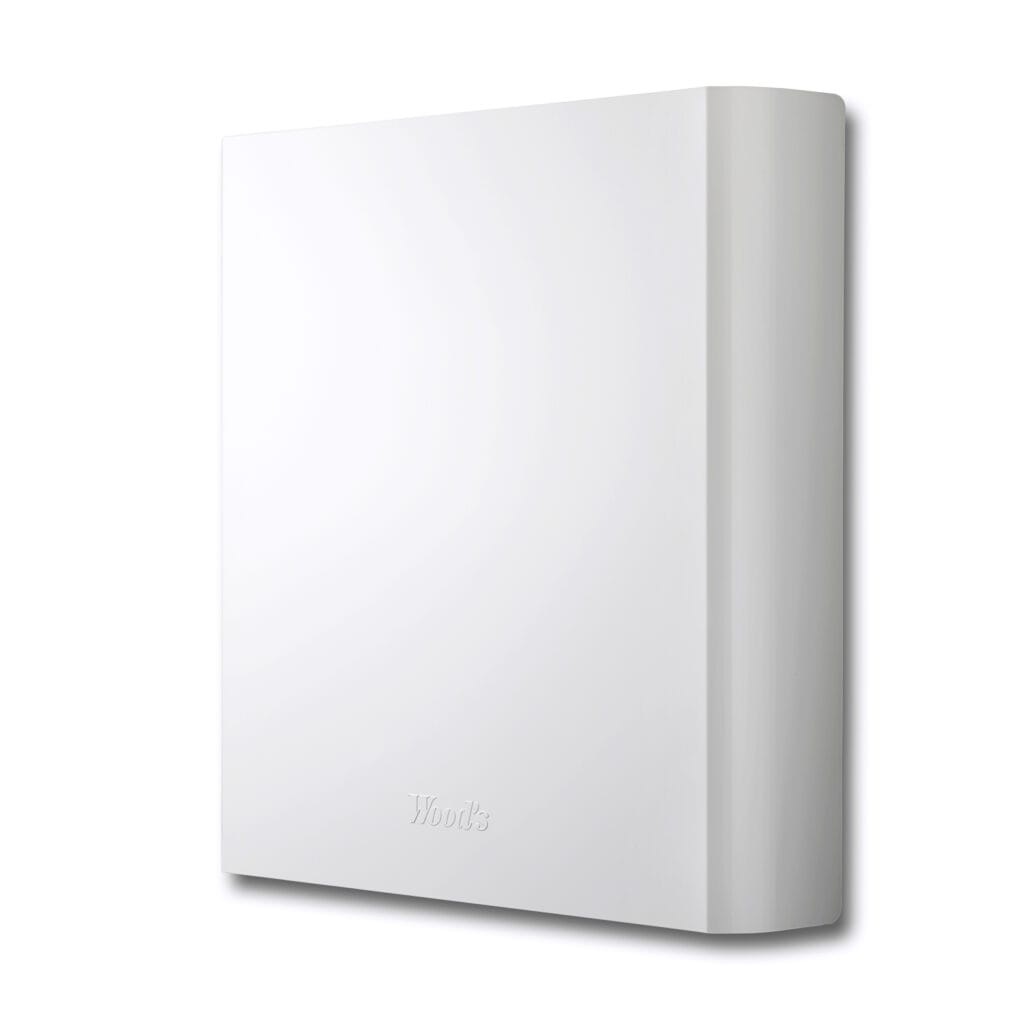
Air purifier for bedrooms and smaller rooms
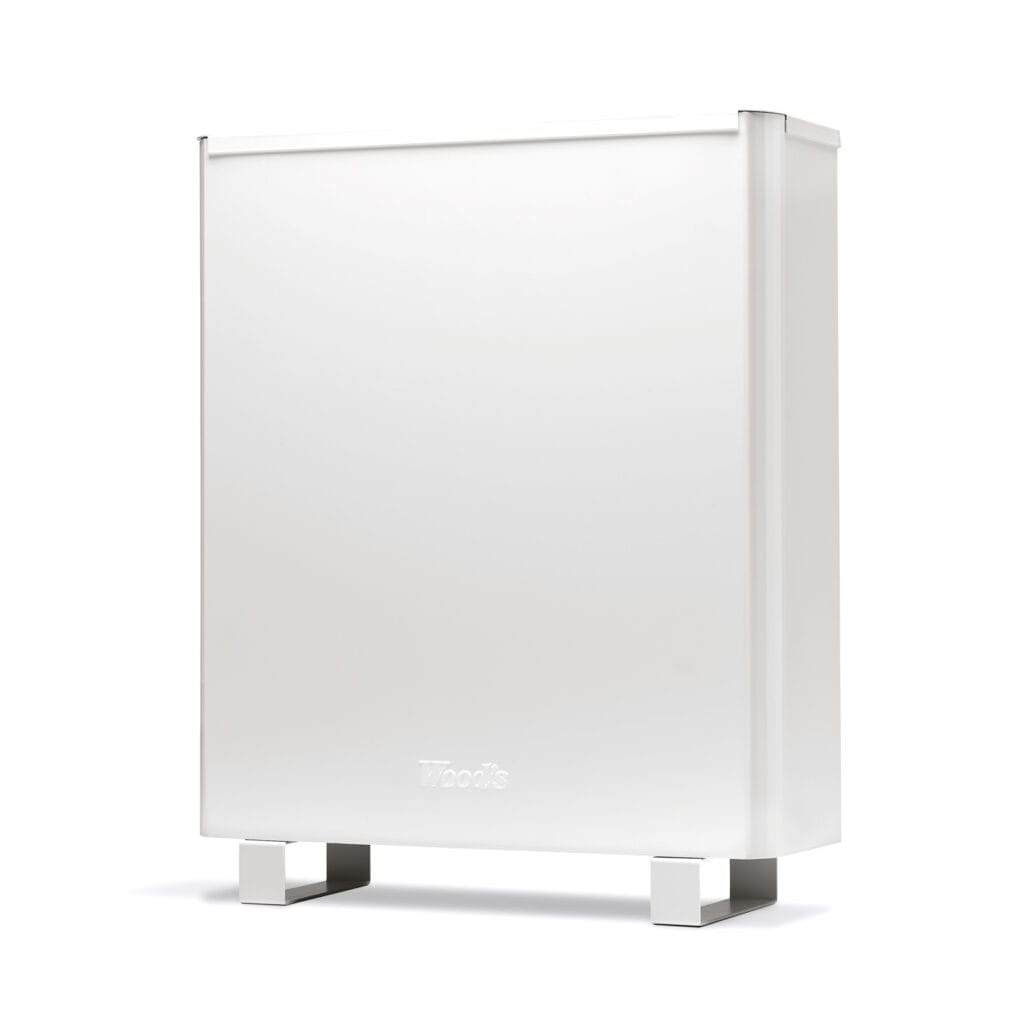
Air purifier for offices, bedrooms and living rooms
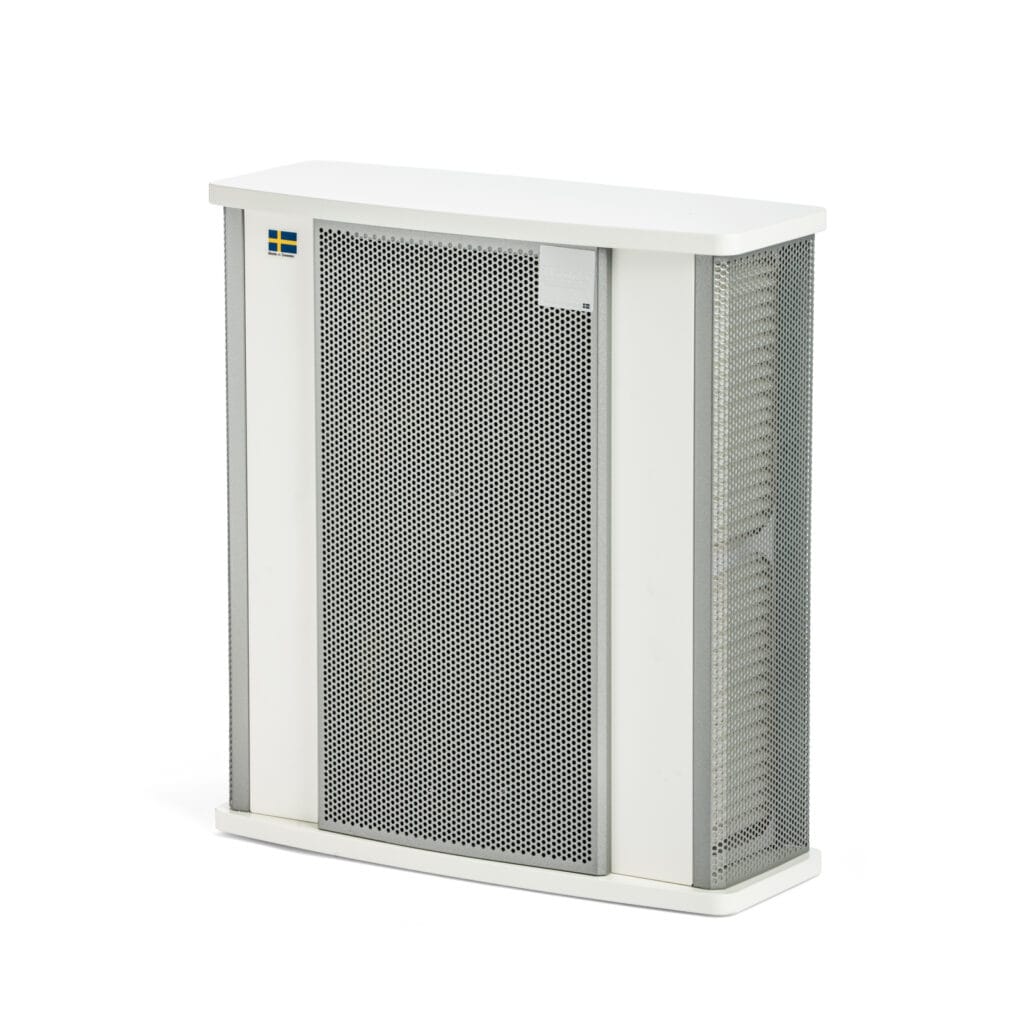
Air purifier for offices and larges rooms.
Air purifier for offices, bedrooms and living rooms
Some flowering houseplants can contribute to increased indoor pollen problems, especially if they produce a lot of pollen or fragrances that irritate sensitive airways. During pollen season, it may therefore be wise to choose plants with low pollen production or green plants that do not flower at all. Ask in the flower shop which options are the most hypoallergenic. By making a conscious choice of plants, you can reduce the burden on indoor air and create a more pleasant indoor climate.
When you dust with a dry cloth, pollen and other small particles are easily swirled back up into the air, causing them to continue circulating in the home instead of disappearing. To effectively reduce pollen indoors, it is better to wet wipe surfaces so that the particles are bound and removed immediately. Use a vacuum cleaner with a HEPA filter, as it can capture even very small pollen particles without blowing them back into the room. Regular cleaning of floors and other surfaces is an important part of creating a cleaner indoor environment during the pollen season and can help reduce the symptoms of pollen allergy.
Rinsing your nose with saline solution is a simple and effective method to reduce pollen symptoms. A nasal irrigator helps to flush away pollen and other allergens that have stuck to the nasal mucosa during the day. By reducing the amount of irritating particles in your nose, you can relieve symptoms such as nasal congestion, itching and sneezing.
Many people find that rinsing their nose in the evening is particularly effective, as it reduces the amount of pollen that can otherwise disturb sleep. Regular nasal rinsing can therefore be a good complement to other measures to reduce indoor pollen and alleviate pollen allergy during the pollen season.
By following the pollen forecast, you can plan your day and reduce the risk of severe symptoms. You can find current pollen levels and forecasts for different parts of the country on websites such as Pollenkoll. When levels are high, it may be wise to avoid spending long periods outdoors, especially in the middle of the day when pollen is often most concentrated in the air.
If you need to spend time outdoors, sunglasses can reduce the amount of pollen reaching your eyes, and an FFP2 respirator can help filter some pollen particles from the air you breathe. By adapting your activities to pollen levels, you can work preventively and reduce the burden on your body during the pollen season.
Pets that spend time outdoors can easily accumulate large amounts of pollen in their fur, especially on dry and hot days when pollen levels are high. Then, as they move around the home, the pollen spreads to sofas, carpets, beds and other textiles, which can make things worse for those with pollen allergies.
Make it a habit to wipe the coat with a damp micro cloth or towel when the animal comes in. This will help to trap pollen particles before they spread around the home. During periods of high pollen counts, regular brushing of the coat outdoors can also be helpful. By reducing the amount of pollen your pets bring inside, you will contribute to a cleaner indoor environment and less exposure in everyday life.
During pollen season, it is difficult to avoid pollen completely, but you can reduce the amount of pollen indoors with the right practices. Pollen is brought in through clothing, hair, pets and ventilation and can otherwise circulate for a long time in the home. Changing clothes, showering before bed, cleaning with wet methods and following the pollen forecast will reduce exposure and alleviate pollen allergies.
The most important place to prioritize is the bedroom. With an air purifier with a HEPA filter, you can create a pollen-reduced zone where the air is purified throughout the night. Giving the body 7-8 hours to breathe cleaner air can help alleviate symptoms, which may start to appear later the next day.
Want to know more? Read our guide on the best air purifier for pollen allergy and how to choose the right model.
Yes, an air purifier with a HEPA filter can effectively capture pollen particles in indoor air and reduce overall exposure. This helps to reduce symptoms and improve sleep.
Change clothes when you get home, shower before bed, wash bedding often, wet wipe surfaces and use an air purifier to filter the air continuously.
Keep windows closed during high pollen counts, shower before going to bed and use an air purifier adapted to the size of the room. Wash bedding regularly.
An air purifier with a HEPA filter is most effective against pollen. It should be sized according to the size of the room to provide sufficient airflow. CADR is an important metric given that it measures how much pollen particles the air purifier removes per hour. We recommend Wood’s AL 310 – best in test 2025, if you are going to use it in your bedroom or living room.
Pollen levels are often higher on dry and warm days, especially at midday. Early morning and late evening are often better times to ventilate.
For people with pollen allergies or sensitive airways, an air purifier can make a big difference by reducing the amount of allergens indoors, reducing allergy symptoms and improving sleep quality.
No solution is 100% effective, but an effective air purifier can significantly reduce pollen levels in the air and thus reduce discomfort/symptoms.