Does your home suddenly feel drier than usual? Your skin feels tight despite your skincare routine, your throat is so itchy that you cough, and you wake up with a stuffy nose every morning. You are far from alone.
Dry indoor air is one of the most common indoor problems in homes, especially during the winter months when we heat our homes. When the humidity drops, both our bodies and our homes are affected – often without us directly linking the discomfort to the air we breathe. Common symptoms of dry air include dry mucous membranes, poor sleep, irritated skin, static electricity and unhealthy plants.
In this guide, we go through 5 clear signs that the air is too dry at home – and when it’s time to use a humidifier.
The short answer is the combination of cold winter air and heating. Cold outdoor air contains very little moisture to begin with. When it is brought indoors and heated by radiators, underfloor heating or heat pumps, the relative humidity drops sharply – often down to 15–25%, which is well below the recommended range of 45–55%.
When the humidity gets this low, the air starts to draw moisture from everything around it: your skin, your mucous membranes, your wooden floors, furniture and even your plants. If you are unsure how dry the air is in your home, you can easily measure it with a hygrometer. If the value is below 40–45% during the winter months, it is a clear sign that the indoor air is too dry.

One of the most common signs of dry air is that your skin feels tight, flaky or irritated even when you moisturise regularly. When the humidity is low, the skin’s moisture evaporates faster than creams and serums can compensate for.
Ingredients such as hyaluronic acid and glycerine need moisture in the environment to work optimally. If the air is too dry, the effect of your skincare products can be significantly reduced. By adding moisture to the air, a humidifier helps the skin maintain its natural moisture balance and actually improves the conditions for skincare to work.
Dry air directly affects the mucous membranes. Many people experience a blocked nose, throat irritation, dry eyes and headaches when the humidity is low. This is often even more noticeable in children – they may wake up at night with a cough, a runny nose or even nosebleeds when their mucous membranes dry out.
For people with asthma or allergies, dry air can also exacerbate symptoms and make breathing more difficult, especially at night when the body needs to recover. With a humidifier in the bedroom, the air becomes softer and gentler on the airways, which often leads to calmer breathing and better sleep quality.
If you get a shock when you touch the door handle, your hair stands on end or your blanket sticks to your legs, the humidity is most likely too low. Static electricity occurs much more frequently in dry air because charges cannot be dissipated in the same way.
When the humidity is increased, static electricity decreases rapidly, often within a day. It is a clear – and often quite annoying – sign that the indoor air needs more moisture.
Indoor plants act as small indicators of humidity. Tropical plants in particular react quickly when the air becomes too dry. Brown leaf edges, curled leaves, extremely rapid drying out of the soil or stunted growth are often not due to watering – but to dry air.
When the air draws moisture from both leaves and soil, plants struggle to thrive. With a humidifier in the room, many plants can recover surprisingly quickly.
Dry air doesn’t just affect people – it also takes its toll on your home. Wood is a living material that shrinks when the humidity drops. During dry periods, this can cause gaps in parquet floors, cracks in furniture, dry window frames and creaky floors.
By keeping the humidity at a stable level, a humidifier protects both your interior and building materials from unnecessary wear and tear.
If you recognise one or more of the signs above, it is a clear indication that the air in your home is too dry. Dry indoor air is an invisible problem that can affect your skin, sleep, airways and home more than you might think.
A good first step is to measure the humidity with a hygrometer. If the value is below the recommended level, a humidifier can be a simple and effective solution for creating a healthier, more comfortable and more balanced indoor climate – all winter long.
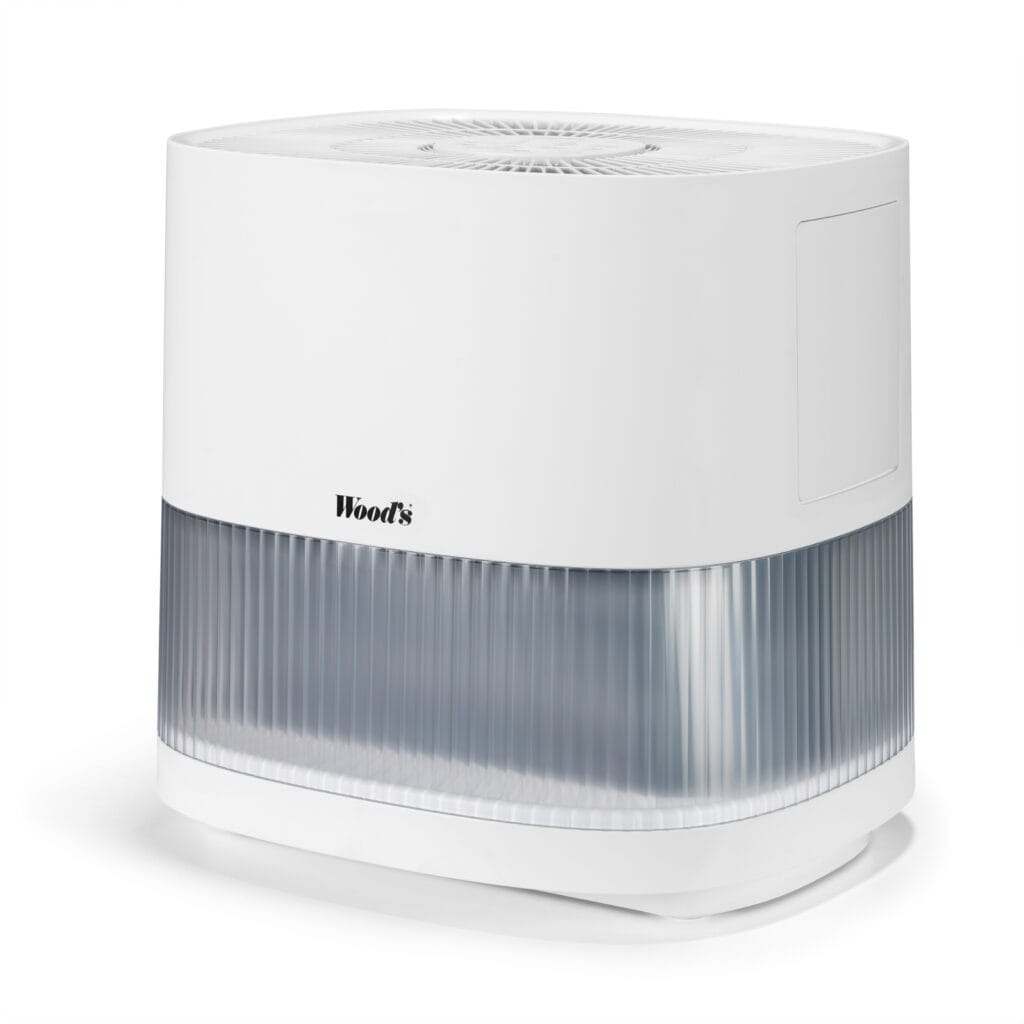
Humidifier for bedrooms, living rooms, children's rooms and offices
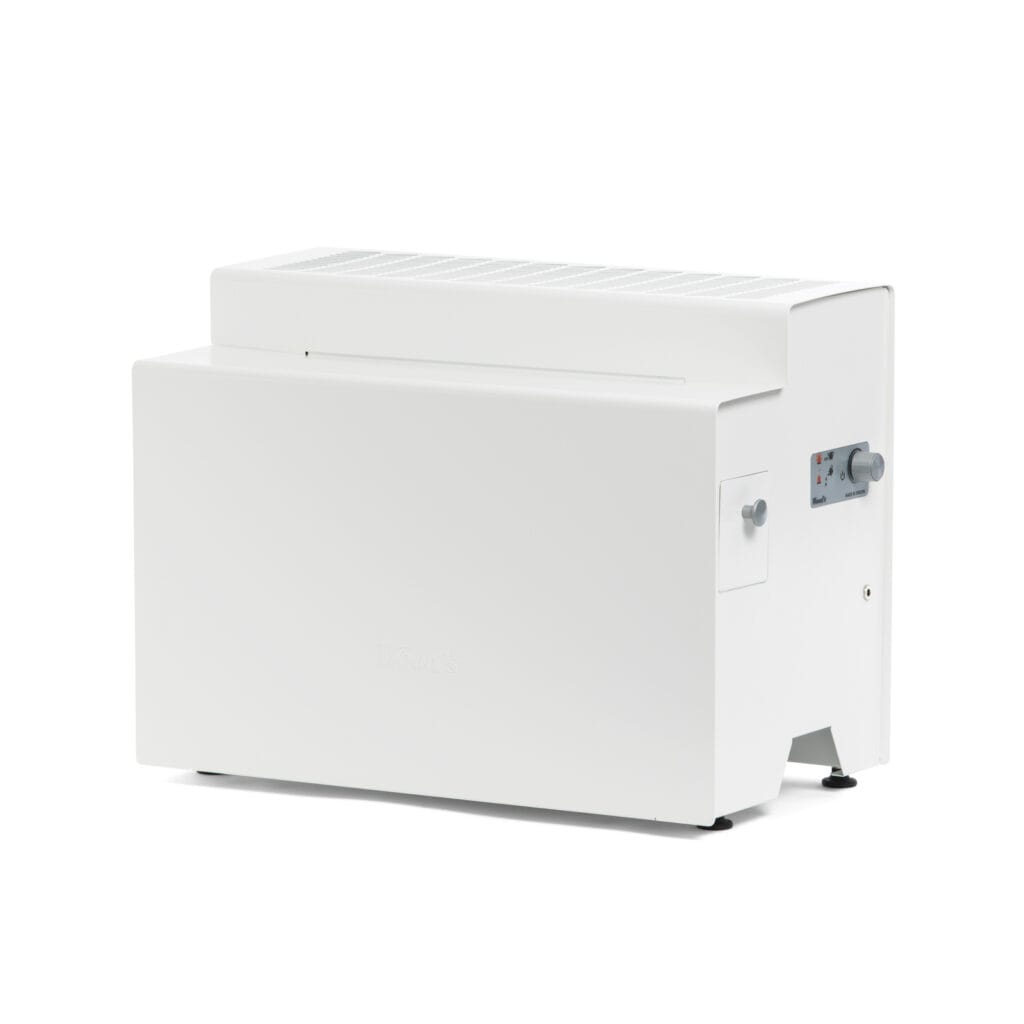
Humidifier for large premises and open-plan spaces

Hygrometer for measuring humidity and temperature
One of the clearest signs of dry air is that you experience dry mucous membranes, dry skin, static electricity or that the air feels ‘sticky’ when you breathe. Many people also notice that children cough more at night or that plants have dry leaves. The surest way to know is to measure the humidity with a hygrometer.
A healthy indoor humidity level is usually between 40–60%. During the winter months, humidity often drops to 20–30%, especially in heated homes, which can cause both health problems and damage to your home.
Cold outdoor air contains very little moisture. When that air is brought indoors and heated by radiators or underfloor heating, the relative humidity drops sharply. That is why dry indoor air is a very common problem during the winter, regardless of whether you live in a house or a flat.
Dry air can lead to dry mucous membranes, a blocked nose, coughing, throat irritation, dry eyes and dry skin. Many people also experience poorer sleep, increased snoring, static electricity and worsened allergy or asthma symptoms during periods of low humidity.
Dry air is not dangerous in itself, but prolonged low humidity can have a negative impact on both health and the indoor environment. Children, people with asthma or allergies, and the elderly in particular can be more affected when the humidity is too low.
You can measure humidity with a hygrometer. It shows the percentage of moisture in the air and helps you quickly see if the indoor climate is too dry. Many people are surprised at how low the humidity actually is during the winter months.
If the humidity is often below 40% and you recognise several signs of dry air – such as dry skin, coughing, static electricity or poor sleep – a humidifier can be an effective solution for creating a more comfortable and healthy indoor climate.
Yes. A humidifier adds moisture to the air and helps stabilise the humidity at a level that is gentle on both your body and your home. Many people experience improvements in sleep, skin and breathing after just a few days
The most common places are bedrooms, children’s rooms and living rooms, where people spend many hours a day. Many people choose to place the humidifier in the bedroom because the body recovers most during the night.