Does your skin feel tight, dull or “cracked” even though you use moisturising serums, barrier creams and face masks? During the winter months, many people find that their skincare routine suddenly doesn’t give the same results as usual. No matter how much hyaluronic acid, ceramides and moisturising creams you apply, your skin can still feel dry and lifeless.
Many also notice that makeup and foundation don’t stay in place – the base cracks, looks cakey or disappears more quickly during the day, even though the products worked perfectly during other parts of the year.
One of the most overlooked causes is the humidity in your home. Dry indoor air affects your skin’s ability to retain moisture more than most people realise – and can be the deciding factor between tight skin and a natural glow.
During winter, humidity drops both outdoors and indoors. Cold air contains very little moisture, and when it is heated by radiators, underfloor heating or other heat sources, the relative humidity drops even further. In many homes, the humidity in winter is 20–30%, well below the optimal level of 45–55%.
When the air is this dry, it starts to draw moisture from everything around it – including your skin. As a result, your skin loses moisture faster than it can be replenished, leading to tightness, dry patches, deeper dryness lines and a dull complexion.
When the skin lacks moisture, the surface becomes uneven, which means that foundation and concealer do not adhere as well and easily settle into dry lines – something many people mistakenly believe is due to the wrong make-up product.

The skin acts as a protective barrier and depends on both internal and external moisture to stay strong and elastic. Low humidity affects the skin’s balance in several ways:
This is why the skin often feels much better in the summer – not only because of the heat, but because the air naturally contains more moisture.
Many skincare products, especially serums with hyaluronic acid, are so-called humectants. This means that they attract moisture from the environment. When the humidity is normal, this helps the skin to bind moisture and look plumper.
But in very dry air, there is hardly any moisture to draw from. In such environments, hyaluronic acid can instead start to draw moisture from the skin’s own layers, making the skin even drier. That is why dermatologists and skin therapists often recommend combining moisturising skincare with a humidifier during the winter months.
A humidifier is not a traditional skin care tool, but it is a real game changer for skin recovery. By increasing the humidity in your home, you create an environment where the skin can retain moisture and repair itself.
Having a humidifier in your bedroom gives your skin 6–8 hours every night of optimal humidity. This means that:
Many people also find that makeup is easier to apply in the morning, goes on more evenly and stays looking good longer throughout the day when the skin has had time to recover in the right humidity.
This is also why humidifiers have long been popular in K-beauty and are now increasingly mentioned by skincare profiles as part of their daily routine.
Night-time is the skin’s most important recovery period. When you sleep, your skin actively works on cell renewal and repair. The right humidity in the bedroom reduces evaporation from the skin, which provides better conditions for both moisturisation and barrier function.
Many people find that they wake up with, less tight skin, smoother skin texture, better radiance and makeup that stays on better during the day.
Dry air is one of the most common causes of dry skin, tightness and loss of radiance in winter. When humidity drops, the skin loses moisture faster and skincare products find it harder to deliver the desired results.
Moisturised skin is not only softer and more radiant – it is also the best base for makeup that will stay looking good all day long.
By increasing the humidity in your home, especially in the bedroom, you give your skin the right conditions to recover, strengthen its barrier and maintain its natural glow. A humidifier is therefore one of the most underrated additions to an effective skincare routine during the driest period of the year.
Want to maximise the effect of your skincare? Discover humidifiers that are perfect for bedrooms and skincare routines – and give your skin a glow around the clock.
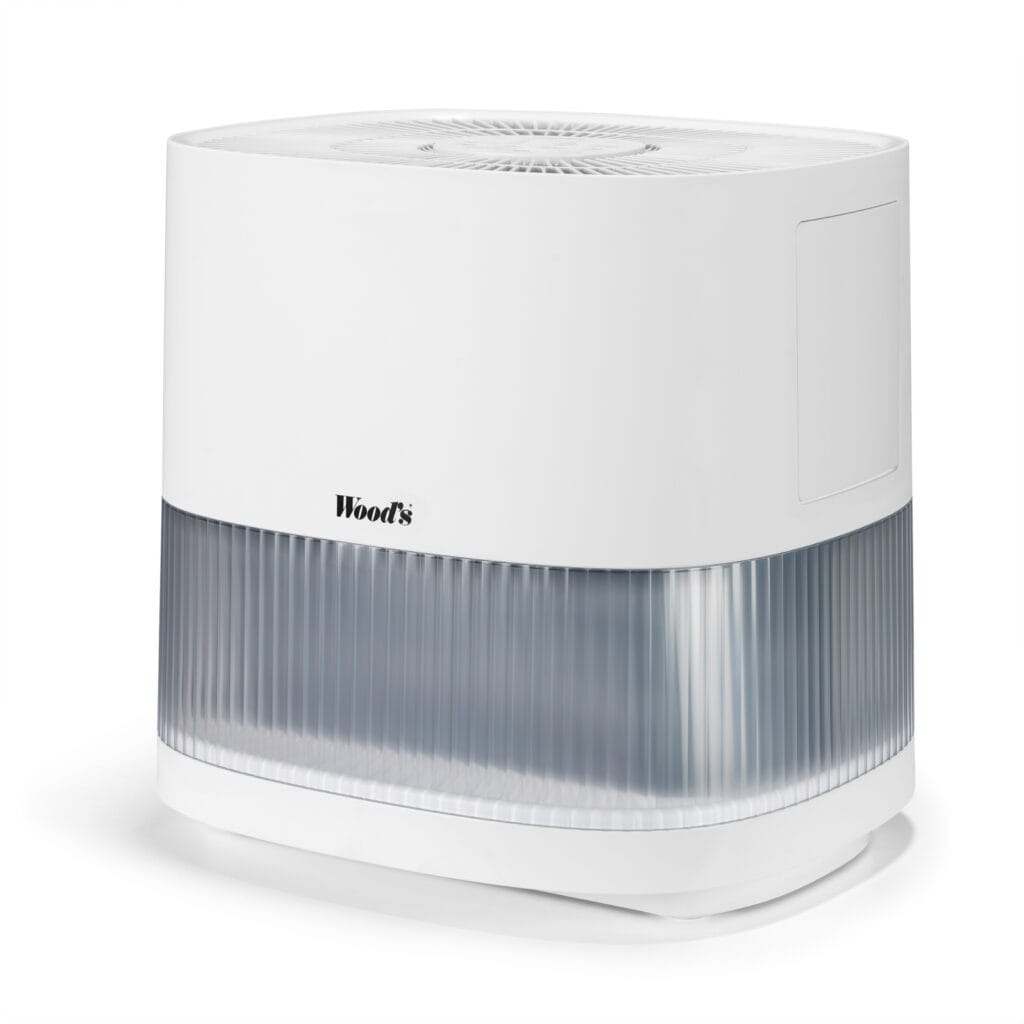
Humidifier for bedrooms, living rooms, children's rooms and offices
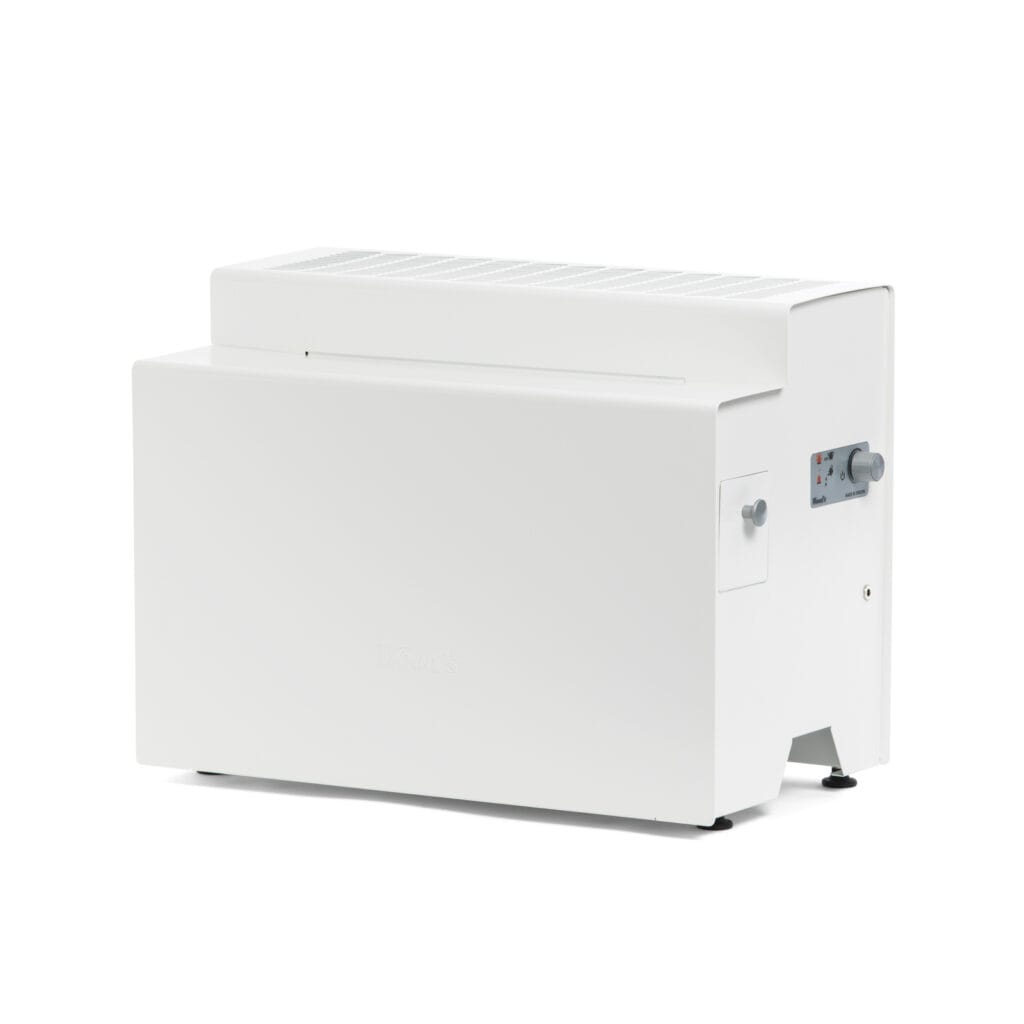
Humidifier for large premises and open-plan spaces

Hygrometer for measuring humidity and temperature
In winter, the air is significantly drier both outdoors and indoors. When humidity drops, moisture evaporates more quickly from the skin, leading to tightness, dryness lines and a weakened skin barrier.
Yes. A humidifier increases the humidity in your home, which reduces moisture loss from the skin and allows the skin to retain more of its natural moisture.
Hyaluronic acid is a humectant that binds moisture from the environment. When the air is very dry, there is not enough moisture to bind, which can make the skin feel even drier without the right humidity.
In winter, humidity drops significantly, both outdoors and indoors. When the air is dry, the skin loses moisture faster, making the skin surface uneven and tight. This makes it more difficult for foundation, concealer and powder to adhere evenly, and they often crack or look cakey during the day.
The skin feels best at a humidity of around 45-55%. During winter, humidity often drops to 20-30%, which has a negative effect on both the skin and mucous membranes.
Yes. Dry air weakens the skin’s protective barrier, making the skin more sensitive to cold, active ingredients, make-up and irritation.
Absolutely. During the night, the skin has several hours to recover. A humidifier in the bedroom gives the skin better conditions to retain moisture and wake up softer and more balanced.
When skin is dehydrated, it reflects light less effectively. The right humidity helps skin become plumper, more even and regain its natural glow.